Highwood Drive, Year Four
A young native garden was left largely to do its own thing during the fourth year, October 2024-2025, living on Baltimore’s Highwood Drive. Sorting through snapped images for this year’s photo essay served as a reminder of how much time since January 20th has been redirected into political activism. So pardon the weeds.
Here July coneflowers and spirea are in flower while the rounded aster and spiring Muhly grass will come into their own in late summer, early fall.
Click here to be taken to a photo essay capturing the Before-After continuum from lawn to water-harvesting native garden.
…
Highwood Year Three
This photo essay charts roughly the third year of work on a new garden at Highwood Drive in north Baltimore. Carried out from October 2023 through October 2024, the work started with the removal of concrete paths and the resetting of permeable ones, then moved on to the excavation of drainage channels around a back yard structure. Emerging native perennials and trees planted previous years combined with a pocketful of annual wildflower seeds ensured that there were some good plants caught at good moments. Painting the garden gates was an autumn impulse. For explanatory notes, plant identifications, and information about sources, scroll down to the bottom of images and click on the titles. Accompanying photo essays may be found here for year one, and year two.
To Maryland, with love
Some sites are easy to landscape, others aren’t. The job featured here wasn’t. Judge for yourself whether it was worth it by perusing this photo-essay of the conversion of a conventional garden to a wreath of Maryland’s native rudbeckias, lobelias, viburnums, junipers and asters. Those curious about plant identifications are encouraged to scroll beneath the pictures to the captions. For an all-out guide to gardening in the mid Atlantic, this resource directory, produced last spring for the Baltimore Banner, comes into its own again as fall affords an even more temperate window to establish new plantings.…
Behold the holly
Ilex opaca ‘Miss Helen’, Cylburn Arboretum, Baltimore, Maryland. Discovered by Stewart McClean in Anne Arundel County in 1936 and propagated by McClean’s nursery in Parkville, Maryland. Click here for a history from the Holly Society of America and click here for a story on some good winter garden berries in the Baltimore Banner.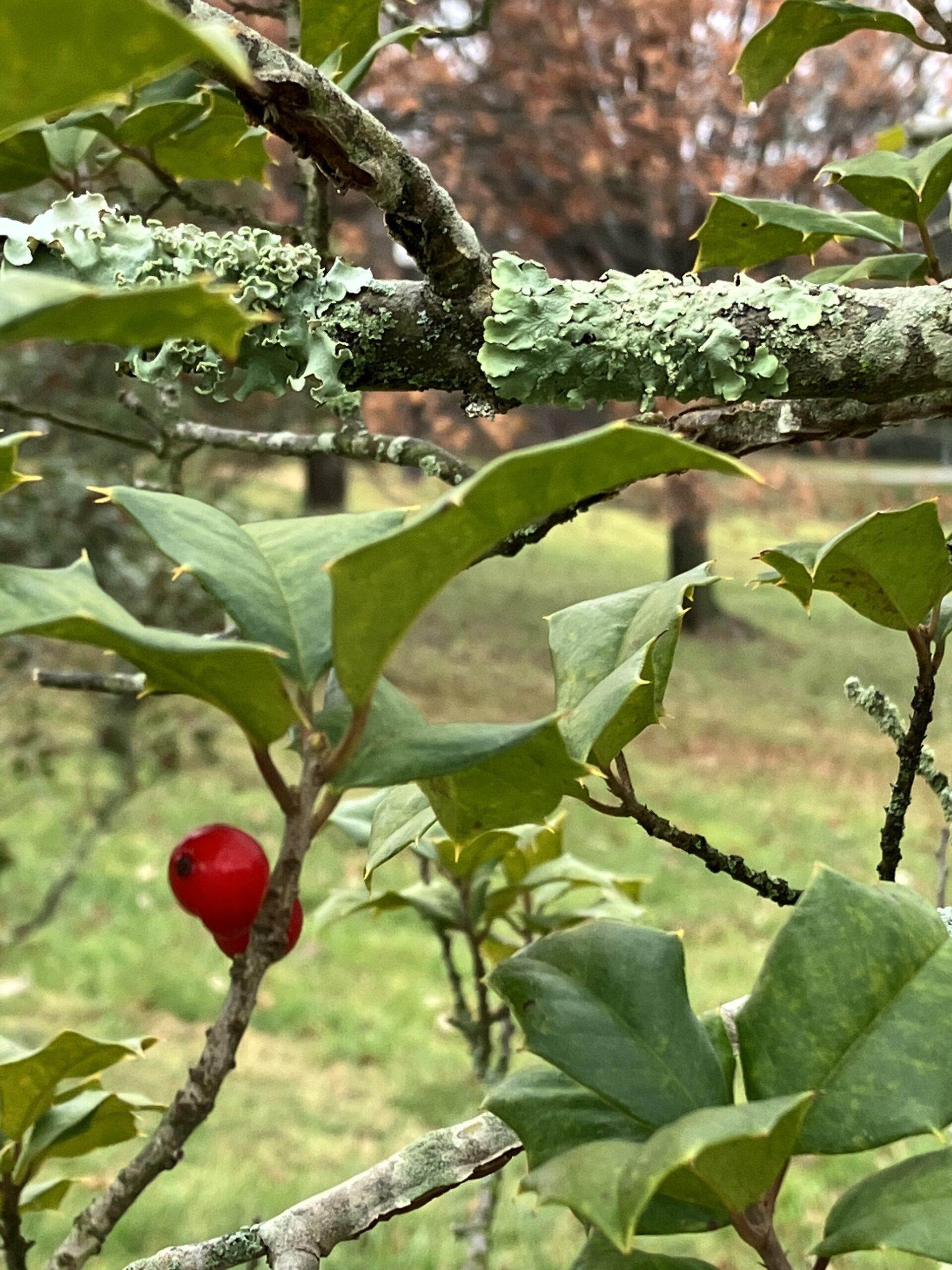
…
A fine mess
The photo series A year in a new garden documents the breaking out and replacement of a concrete driveway, big tree pruning, soil building, and sheet mulching of invasive ivy patches front and back. This snapshot, from a recent fall afternoon here in Baltimore City, is of the young patch of perennial wildflowers that replaced ivy in the back yard. The perennials planted last fall and last spring include milkweed, agastache, bergamot and giant blue lobelia. The goldenrod creeping in frame left is a welcome interloper from the neighbor’s yard. A pin oak sapling might just be visible in a slow effort to remove trees from under a power line and plant new ones well inside the garden borders. If it looks unkempt, it’s because the ground cover is largely left unmolested apart from reducing it with a string trimmer every couple of months. A perfect lawn isn’t perfect to …
keep looking »North American Native Plant Societies
After the lawn

Garden blogs
