Las Vegas from space over 25 years
ON MARCH 1, 2009, NASA’s Landsat 5 satellite turned 25. NASA marked the occasion by publishing these photographs of Las Vegas photographed from space over a quarter of a century. The growth caught from above is sustained by an unyielding search for new water in the Mojave Desert below. This posting connects the NASA photos to that search for water.
1984
In 1984, Greater Las Vegas had exhausted its local groundwater, but grew by finally exploiting an allocation from the Colorado River and the nearby reservoir, Lake Mead.
By 1989, (see photo below), it was clear that Las Vegas was outgrowing its Colorado River allocation and the Las Vegas Valley Water District applied for half of the legally available groundwater in the state of Nevada. The plan was to build hundreds of miles of pipeline north to tap the Great Basin Carbonate Aquifer. Using these as yet unapproved but powerfully …
The week that was, 6/21-27/2009
- “There are lots of ways to lose an audience with a discussion of global warming, and new ones, it seems are being discovered all the time.” From “The Catastrophist,” Elizabeth Kolbert’s New Yorker profile of NASA scientist James Hansen
- “Eli Raz was peering into a narrow hole in the Dead Sea shore when the earth opened up and swallowed him.” AP / Denver Post on Dead Sea sinkholes
- Water seeping through Howard Hanson Dam is picking up speed … the Army Corps of Engineers doesn’t know why. Seattle Times
- “The Sacramento politicians are at it again. They’re back to try and take your water softener away.” Savemysoftener.com ad aimed at scuttling California Assembly Bill 1366.
- “It’s hyperbole. Clearly, it’s a very reckless and irresponsible attempt to engender fear…” Assemblyman Mike Feuer (D-Los Angeles), author of AB 1366, Los Angeles Times.
- “We cannot put off the future.” Nancy Pelosi
Weekly Drought Map
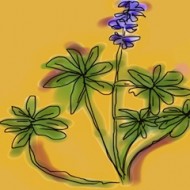
…The Dry Garden: Watering native plants in summer, or not
WHILE most Southern Californian gardens require more water in summer, native gardens need less. In fact, they take so much less that if you haven’t watered a native plant to death, then you probably haven’t tried native gardening. It’s a rite of passage, closely followed by the second rite of withholding all summer water — and killing the plant that way.
This is not to suggest that native plants are hard to grow. They’re just easy to kill. The key to reaping their beauty and benefits without watering them to death is understanding summer dormancy.
For the rest of the story in this week’s Los Angeles Times column The Dry Garden, click here.…
Mixed message to mining: Clean up, says Obama Cabinet. Mess up, says Bush-era Supreme Court
IT’S AS SCREWY as it sounds.
On Monday, in a 6-3 vote, the US Supreme Court upheld the legality of dumping gold mine waste into Lower Slate Lake in Alaska’s Tongass National Forest instead of disposing of it in a special tailings pond. The next day, the Agriculture Secretary announced nearly $20m dollars of federal stimulus funds to be spent on mine waste clean-ups, including $2.8m to Alaska. Meanwhile, the Clean Water Act in any of its various guises does not apply to the Alaskan lake about to receive 4.5 million tons of highly contaminated mine tailings.
First to the Supreme Court decision:
“The ruling clears the way for as much as 4.5 million tons of mine tailings — waste left after metals are extracted from the ore — to be dumped into the lake,” reported the Associated Press.
Not all of the justices were behind it. AP reported …
« go back — keep looking »North American Native Plant Societies
After the lawn

Garden blogs
