The Dry Garden: Pacific coast irises
Pacific coast iris and blue-eyed grass. Photo: Rancho Santa Ana Botanic Garden
One of the most common questions during California’s wildflower season is: “Is it too late to plant?” If you’re working from seed, yes. The lupines, clarkia, poppies and sunflowers coming into bloom now germinated last fall. It is only by the capturing of residual autumn warmth and early winter rain that they put down roots needed for a vigorous spring bloom.
However, the window to plant spring wildflowers does remain open in April for our native Pacific coast irises. This window is kept jammed open partly by the nursery trade, which often doesn’t release the plants until March — not ideal, but possible because irises are perennials. Although they do produce seeds, they grow from rhizomes, or tubers, that produce annual sets of roots.
If we want newly bought irises to go in the ground this year, …
Solar done right
Should our conversion to solar energy be done on urban rooftops, brownfield sites and marginal agricultural land, or should it be carried out via a rushed give-away of public lands staged by the Bureau of Land Management? This report by Solar Done Right, a group formed by the watchdog non-profit Western Lands Project and a collection of concerned conservationists, would rather see solar on, say, untenable land in the Westlands Water District rather than pristine desert. If you trust Interior to get it right without supervision, it merits remembering that the last time the curtain was drawn on the department’s oversight of big energy, our civil servants were snorting coke, watching porn and having sex with the company reps. I wish I were making that last part up. Alas, no.
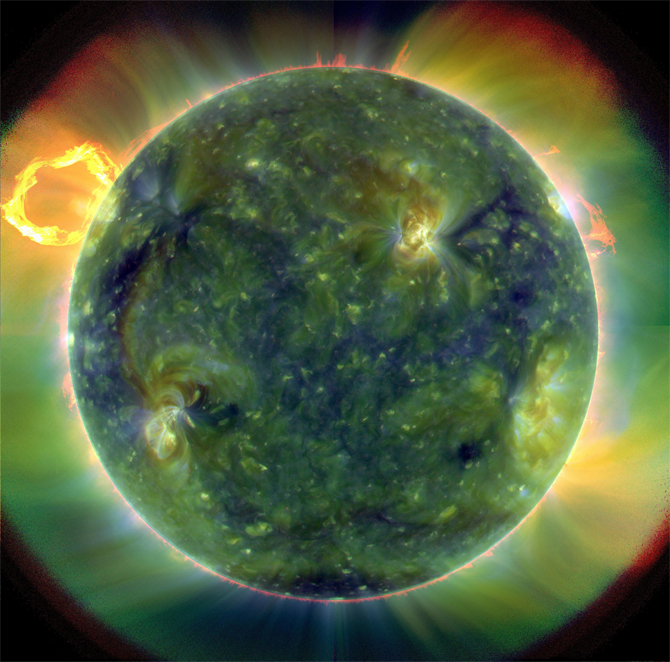
This lovely image of the sun comes from NASA.…
“Weather is just playing games”
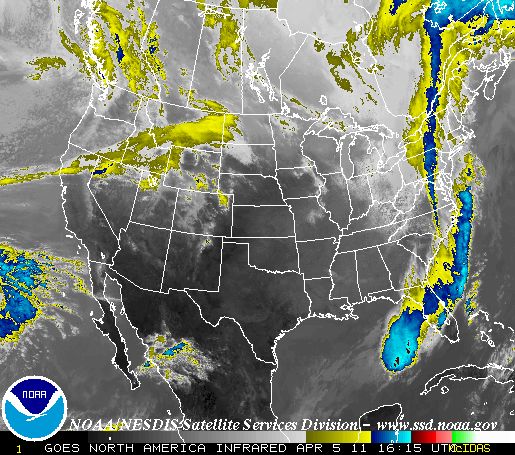
By all means go on the garden tours this weekend, but take an umbrella. “In a year that has been anything but normal with huge snowfalls in the Sierra and well-above-normal rain in the lowlands, Mother Nature is just not done playing her games with us just yet,” writes Ken Clark at AccuWeather. For your forecast, which in California will involve cool temperatures and a chance of rain this weekend, click here for the National Weather Service. To improve your vocabulary about what type of rain might fall, check out this collection of “pluvial” terms in the New York Times. UPDATE: A mirthful meteorologist friend and author of the Bad Mom/Good Mom blog just wrote, “I’ll see your pluvial and raise you virga.” …
The Dry Garden: Eco-snooping
The problem with selling native plants in garden centers is that the natives are reluctant seducers. For much of the autumn and winter — prime planting months in California — they’re discreet. Their foliage comes in the understated colors of a Craftsman paint palette. Give the plants too much water, and they rot in their pots. Flowers are few. Only in spring, usually far from town, safe distances from our hoses, do native lilacs lead the charge into blossom with a cobalt-blue eruption. After them come the pink and white spires of coral bells and clarkia, masses of orange poppies, along with every color of penstemon, irises and monkeyflowers. Only shoppers who know what a native looks like in spring can envision its potential in the fall, when it’s time to buy and plant.

By comparison, exotic plants are favored by retailers because their leaves often come in leprechaun greens. …
High good, low bad: Mead in March 2011
Smart people object to the term “drought” being applied to the water supply of the Western US. Dryness is not necessarily drought in a dry place, they say, no matter how rashly you might overdevelop that place.
So, this being the week of April Fools, these strict interpreters might agree with California that, after heavy winter precipitation, the Golden State is no longer in a drought. To drought skeptics, it never was. It’s simply full of fools who view the state’s massive system of reservoirs much like a drunk assesses a whisky bottle.
To us drunks, however, the world looks very different here in California. The drought is on when we don’t get what we want, and it’s over when we do. It has nothing to do with the health of the waterways that we siphon, the …
« go back — keep looking »North American Native Plant Societies
After the lawn

Garden blogs
