“At Home” by Bill Bryson
“At Home: A Short History of Private Life” begins on the roof of the Victorian rectory that Bill Bryson and his family occupy in flattest Eastern England. Surveying the surrounding countryside, the American-born author invokes a local archaeologist who once explained to him that the region’s stone churches aren’t sinking. No, they are slightly below ground because the sheer numbers of bodies buried around them over the centuries have caused the earth to rise.

Having imparted this grisly delicacy, Bryson retreats from his roof but not his house. The author best known in the U.S. for his travel writing uses home to anchor his new book; every room in it is a departure point to discuss how those generations of bodies once lived, how their homes functioned and, surprisingly only recently, began to provide a certain level of comfort.
Click here to keep reading the review of “At Home” …
The week that was, 11/7-13/2010
"Always attracted to water..." -- The Financial Times reviews the Monet and Gérôme exhibitions in Paris. Click on "Bathers at La Grenouillere" by Claude Monet for the story.
I was overly optimistic when promising the return of “The week that was” this Sunday. More succinctly, I lied. My apologies. I am neck-high in packing boxes and movers wait for no blogger. In the stead of the Sunday news round-up, this letter. Sent last week by environmental organizations including the Sierra Club, Defenders of Wildlife, the Natural Resources Defense Council and Friends of the River to the California Natural Resources Agency, it’s an expression of highly formalized disgust at an emerging agenda for the Bay-Delta Conservation Plan, which environmentalists see as benefiting water exporters more than the buckling estuary tapped by California’s State Water Project.
For California water news, go to Aquafornia. For San Diego …
The Dry Garden: Letting go
There may be something more painful than letting go of a garden built from scratch and largely by hand, but I haven’t experienced it. Yet after 12 years in the only home I have known in Los Angeles, it’s time to move. The young oaks, toyon, ceanothuses, sages and fruit trees will need to ingratiate themselves to the new owners, or die. Signs painted by local schoolchildren will stay. My father’s ashes along with the graves of three beloved dogs cannot come with me. They are all bound up in the plants.
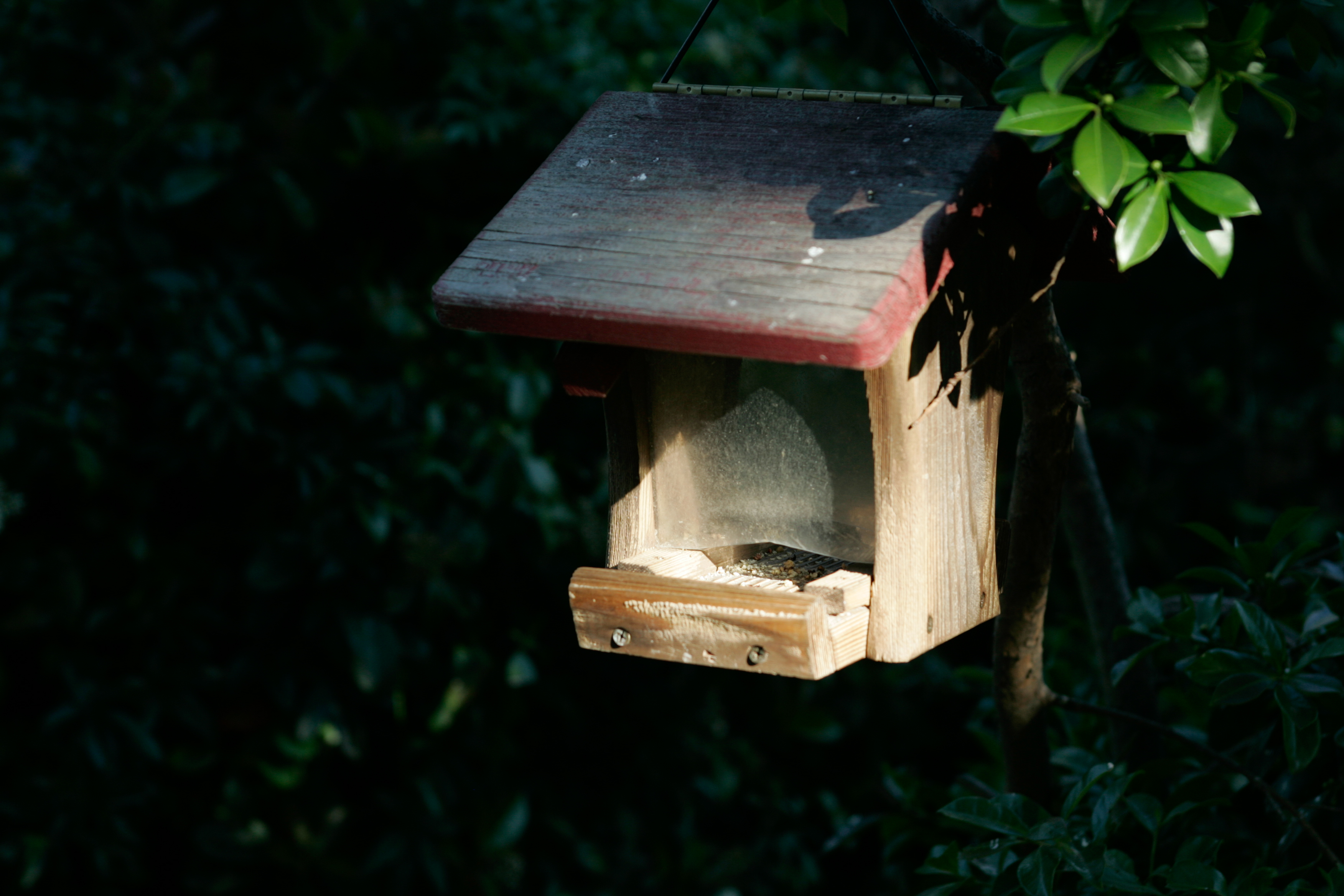
Yet handing over the garden isn’t difficult because of sacred dust. It’s the living that haunt me. It’s unexpectedly intense affection for the defiantly stray cat that I have taken to feeding. It’s hoping that the mourning doves that I have fed and supplied with fresh water every day since July 1998 find new food and new water. …
The State Water Project in pictures
Water pumped up the foothills of the Tehachapi Mountains. Source: Aquafornia. Click on the image to be taken to Aquafornia's new slide show on California's State Water Project.
Aquafornia, the newsfeed of the Water Education Foundation, today published an educational side show on the history of the State Water Project. For those who wonder just how big a challenge to keep California hydrated Governor Jerry Brown inherited on November 2nd, click here to learn about the massive water-moving endeavor that his father, Governor Pat Brown, began in the 1950s.
The beginning of the slide show is straight up California heraldry. Glorification of the Department of Water Resources might seem a bit Soviet to those who never knew a winter without fresh fruit or vegetables. But keep clicking to follow the water. Once you do, the steadfast tracing of the project will equip you to understand news stories also …
“Dumb, dumb, dumb” and “a pinch silly”
“Dumb” and “silly” sum up the response last month of Matthew Kahn to my review of his book Climatopolis. Click here for the review and here for the response. Those who questioned Kahn’s choice in Climatopolis of Moscow as one of the more climate change-ready cities will learn that he was not wrong in the book because in his revised estimation last summer’s deadly heat wave leaves Muscovites better versed in disaster. Residents of Salt Lake City may be relieved to learn that they are not in peril of sea level rise, and Antonio Villaraigosa may rest assured that he was not being mocked by the misspelling of his surname; the decision to call the Latino Mayor of Los Angeles “Tony” is left unexplained. The failure of my review to correlate with notices in the British press is offered as evidence that my assessment was unsound. Please note that as …
« go back — keep looking »
North American Native Plant Societies
After the lawn

Garden blogs
