The Dry Garden: Better than beautiful
The former librarian at the Los Angeles County Arboretum & Botanic Garden doesn’t remember exactly when the visitor wandered into her office and let drop that he was a descendant of George Engelmann. What Joan De Fato does remember is telling him that there was a grove of rare oaks on the site that had been named for his ancestor.
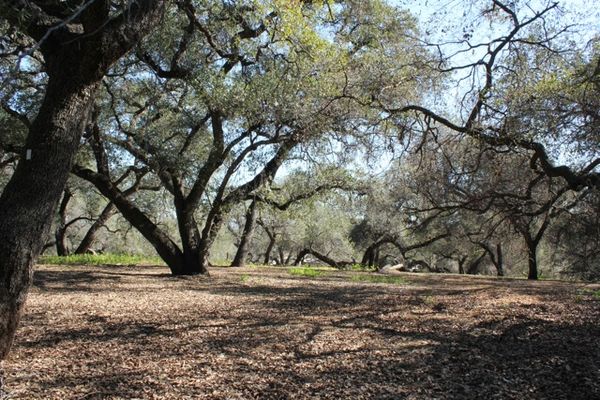
You don’t have to be a descendant of one of the fathers of American botany to share in what De Fato recalls as his pleasure and amazement. The arboretum’s grove of Quercus engelmannii, pictured above, is one of the last local stands of a native tree once so common to the foothills that an alternate common name is the Pasadena oak.
The first thing that strikes you upon reaching this group of roughly 200 trees is how much more animated it is by birds, butterflies and scampering lizards …
The Dry Garden: “Capacity” = good nurseries
The potential for gardeners here to conserve water while glorying in the California experience is as big as the state. Yet most of us don’t seize it. According to local water managers, the problem is “capacity.”
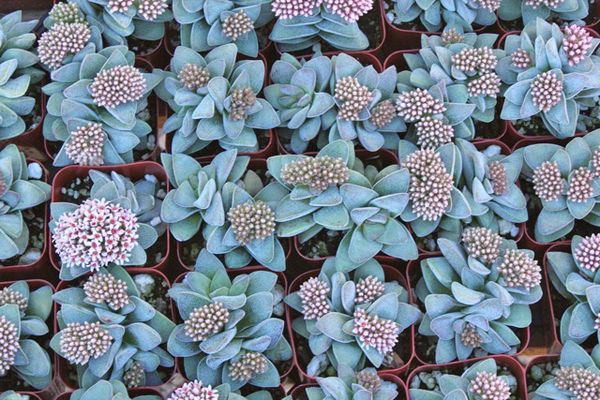
By capacity, they refer to the ability of chain home improvement stores to stock drought-tolerant native and Mediterranean-climate plants alongside water-hungry turf. Building native-plant capacity in big-box stores is tough. The inventory get watered to death by untrained staff, who don’t know what the plants are much less what they need. So “capacity” tends to be code for “forget about it” when the subject of water conservation comes up.
Well, water managers, reality check. Nursery capacity for native plants is increasing, albeit slowly. A network of independent specialist nurseries is emerging. Most of these not only have trained staff to sell native plants but also offer courses on how to design gardens and how …
The Dry Garden: Multiplication by division

Pulling up a plant and ripping it in half at the roots is a violent way of showing affection, but for a school of groundcovers, including many grasses, bulbs and woodsy flowers, doing just that amounts to true love. So, if you have established giant rye, coral bells, irises or hummingbird sage, and you want more of the same, now is the moment to divide and separate the plants.
Short days and early showers are abetting this endeavor. If you can’t jump when the meteorologists say “rain,” do it when you have time, then give the transplants a steady, gentle watering.
How roughly or tenderly you handle division should depend on the plant. Click here to keep reading about how to divide native plants in The Dry Garden in the Los Angeles Times.
*An earlier version of this post mistakenly labeled …
The Dry Garden: Letting go
There may be something more painful than letting go of a garden built from scratch and largely by hand, but I haven’t experienced it. Yet after 12 years in the only home I have known in Los Angeles, it’s time to move. The young oaks, toyon, ceanothuses, sages and fruit trees will need to ingratiate themselves to the new owners, or die. Signs painted by local schoolchildren will stay. My father’s ashes along with the graves of three beloved dogs cannot come with me. They are all bound up in the plants.
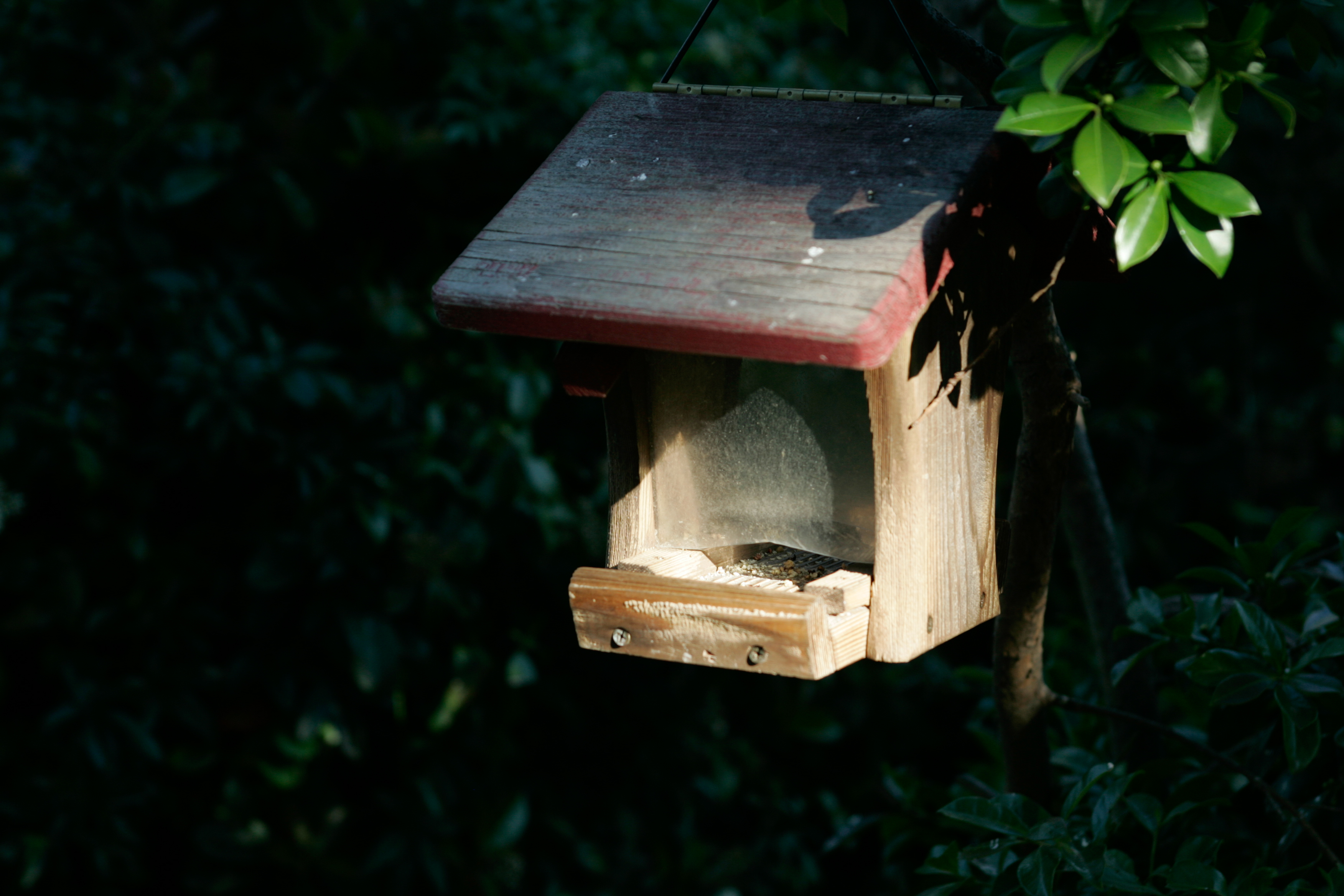
Yet handing over the garden isn’t difficult because of sacred dust. It’s the living that haunt me. It’s unexpectedly intense affection for the defiantly stray cat that I have taken to feeding. It’s hoping that the mourning doves that I have fed and supplied with fresh water every day since July 1998 find new food and new water. …
A decade of change
I had the honor this week of being a guest speaker before both the California Native Plant Society and Lili Singer’s Garden Talk audience at the Los Angeles County Arboretum and Botanic Garden. The subject: A decade of gardening, during which time I took my 8,000 square foot lot near downtown Los Angeles from a conventional turf & mow model to a Mediterranean climate/native garden that runs largely on local rainfall and sees power tools only every two years during pruning season. This photo essay captures that progression. My apologies to the CNPS audience, who last Sunday endured a PowerPoint failure. Here, belatedly, are the images. My thanks to Steve Hartman of CNPS, Lili Singer of the Theodore Payne Foundation and Jill Berry, Ted Tegart and Cynthia Vargas of the Arboretum for challenging me to put together this photo diary, then helping it come together. To see the full photo …
« go back — keep looking »North American Native Plant Societies
After the lawn

Garden blogs
