“A city that can take care of itself”
Desert mallow in Los Angeles. Photo: Annie Wells / Chance of Rain. Click on the image to be taken to a listing of dry garden resources for Southern California.
“Every Angeleno knows we’re living on water siphoned from other parts of the state. And it feels wrong somehow to drench your lawn in the middle of Southern California winter — even on one of the two allowed watering days…”
Going native
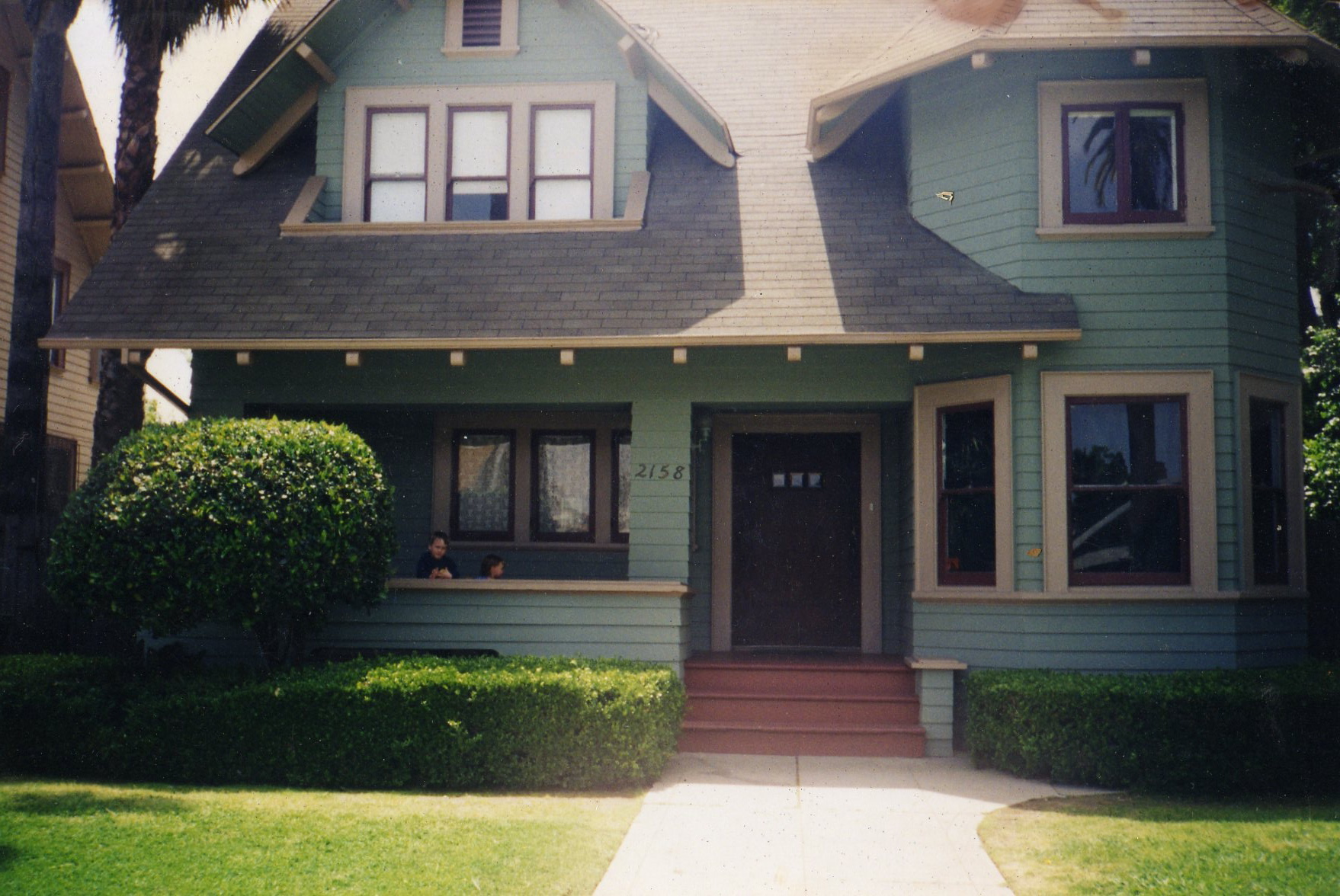
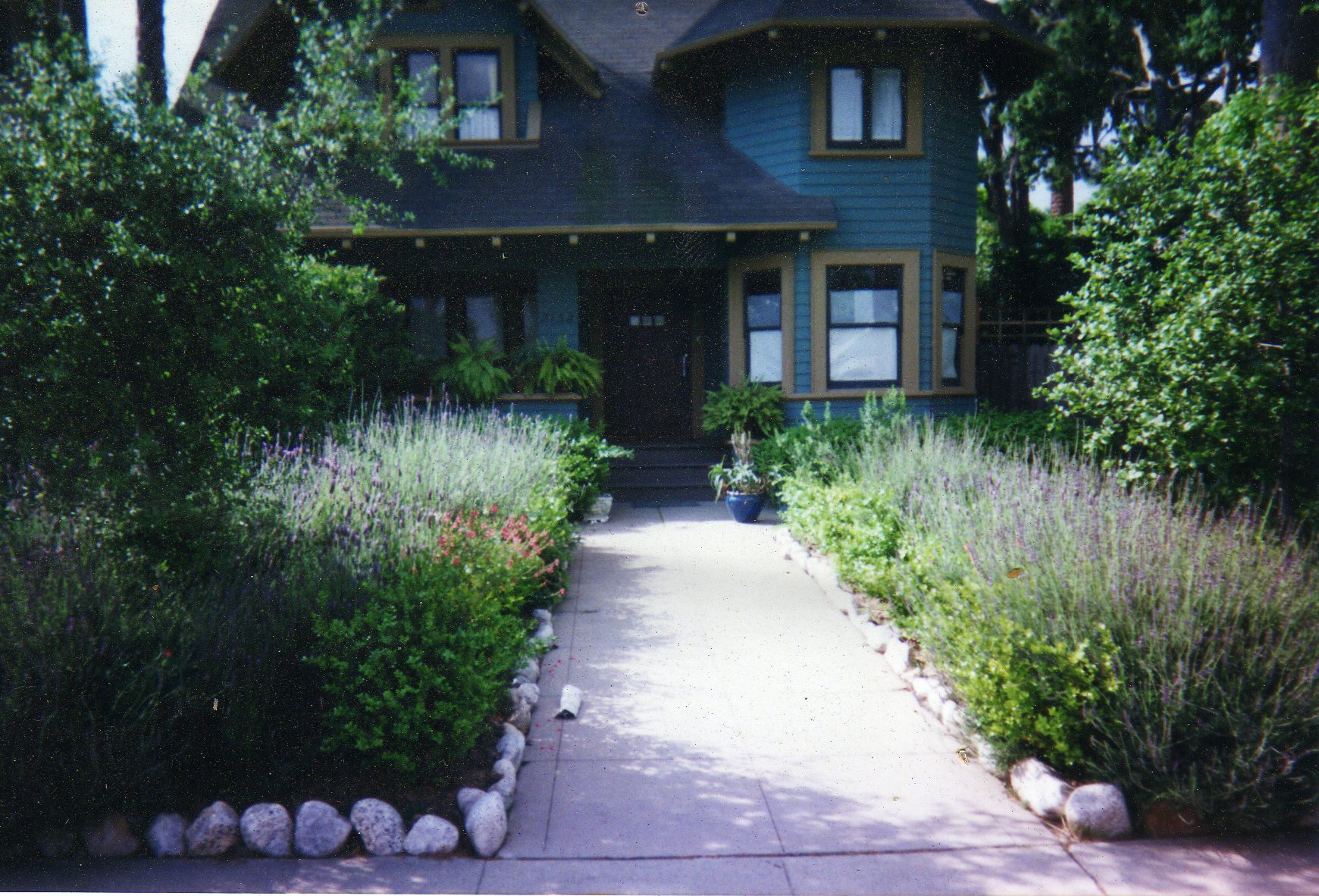
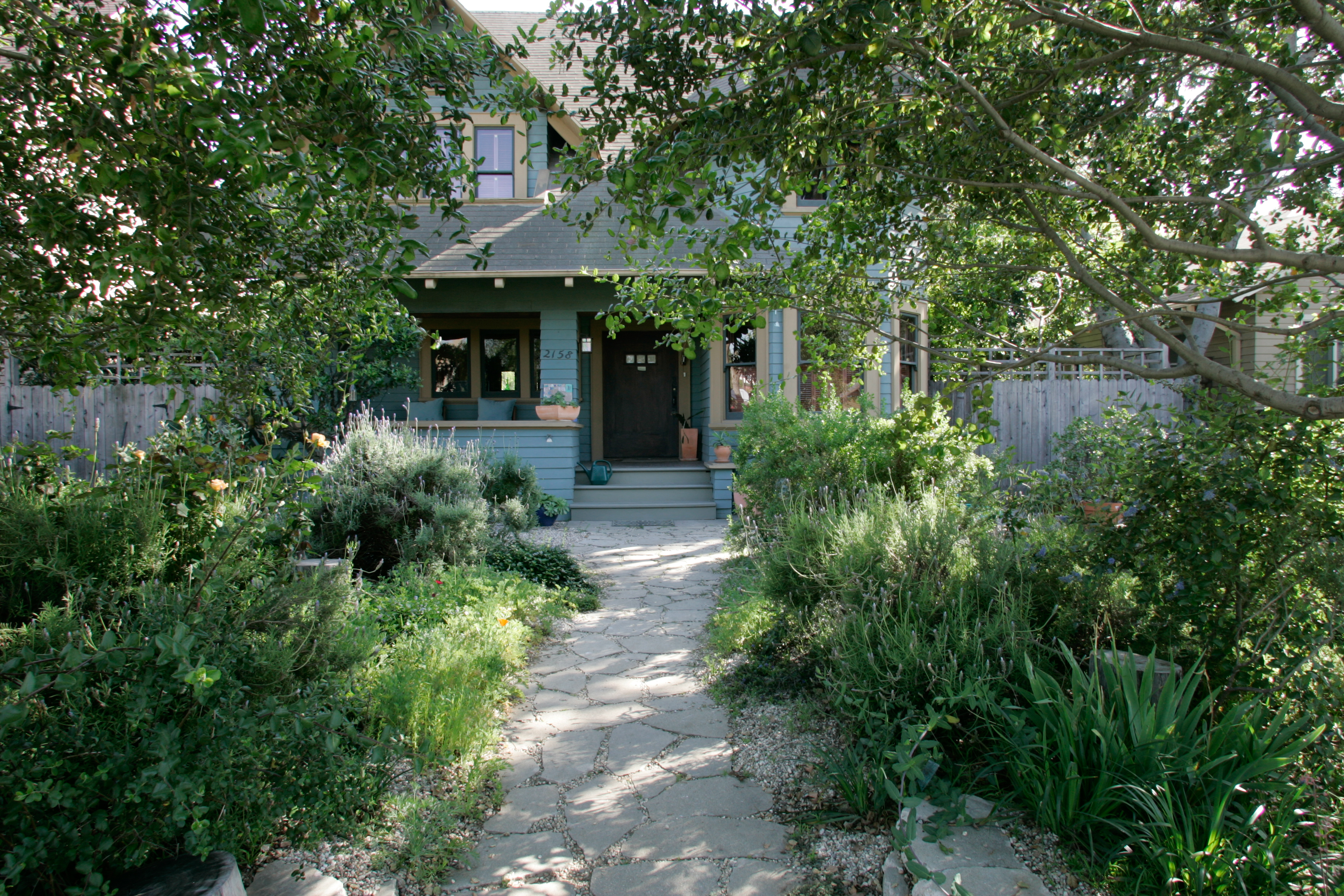
2008: Garden in transition to strongly native with no built-in irrigation and only occasional hose watering. Plants in image: live oaks, irises, lavender, coyote bush, native honeysuckle, ceanothus, poppies and one very hardy tea rose. Paving part of a zero runoff water-capturing design adapted in Los Angeles to City of Santa Monica standards.
Emily Green, publisher of this website and writer of the “Dry Garden” column for the Los Angeles Times, will be speaking on December 8th at the California Native Plant Society on “A Decade of killing plants and learning from the survivors.” Snapshots, left, are examples from the period, from 1998 to 2008, during which Green began chronicling for the Times the transition from conventional to native gardening.
For information, click here.…
Western datebook: Sundays at the lagoon
Ballona Wetlands map: California Coastal Conservancy. Click on the image to be taken to the Ballona Wetland Restoration Project
THE BALLONA Institute, City of Los Angeles and Council member Bill Rosendahl (District 11) seek volunteers for a massive landscaping effort aimed at restoring native coastal flora around the Grand Canal Lagoon in the Ballona Wetlands. The “Big Plant-in” begins on Sunday, October 18, and will run each Sunday and Monday after that until an estimated 10,000 plants are installed. For information, contact Ted Giwoff at (424) 227-9845 or leave a message at (310) 578-5888 or email outreach@ballonainstitute.org. …
Rethink your green
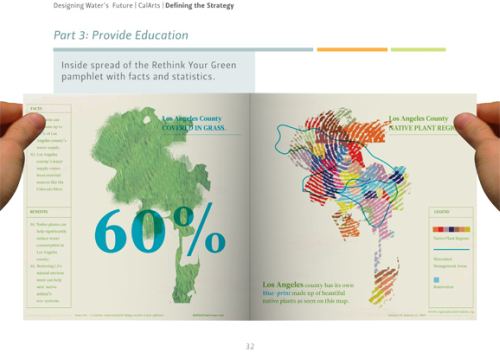
GRAPHICS tell the story. The team from CalArts that produced this garden map of Greater Los Angeles are finalists in the Inaugural Aspen Design Challenge to Design Water’s Future. To the left, there is Greater Los Angeles as it is now, with the graphic showing 60% of its vegetation given over to water-intensive lawn. To the right are the zones for the region’s drought-tolerant native vegetation. Posting compliments of Craig Matsuda at SoCal Minds. For Emily Green in the op-ed pages of the Los Angeles Times on the beauty of brown, red, gold … anything but green, click here.…
Beyond green
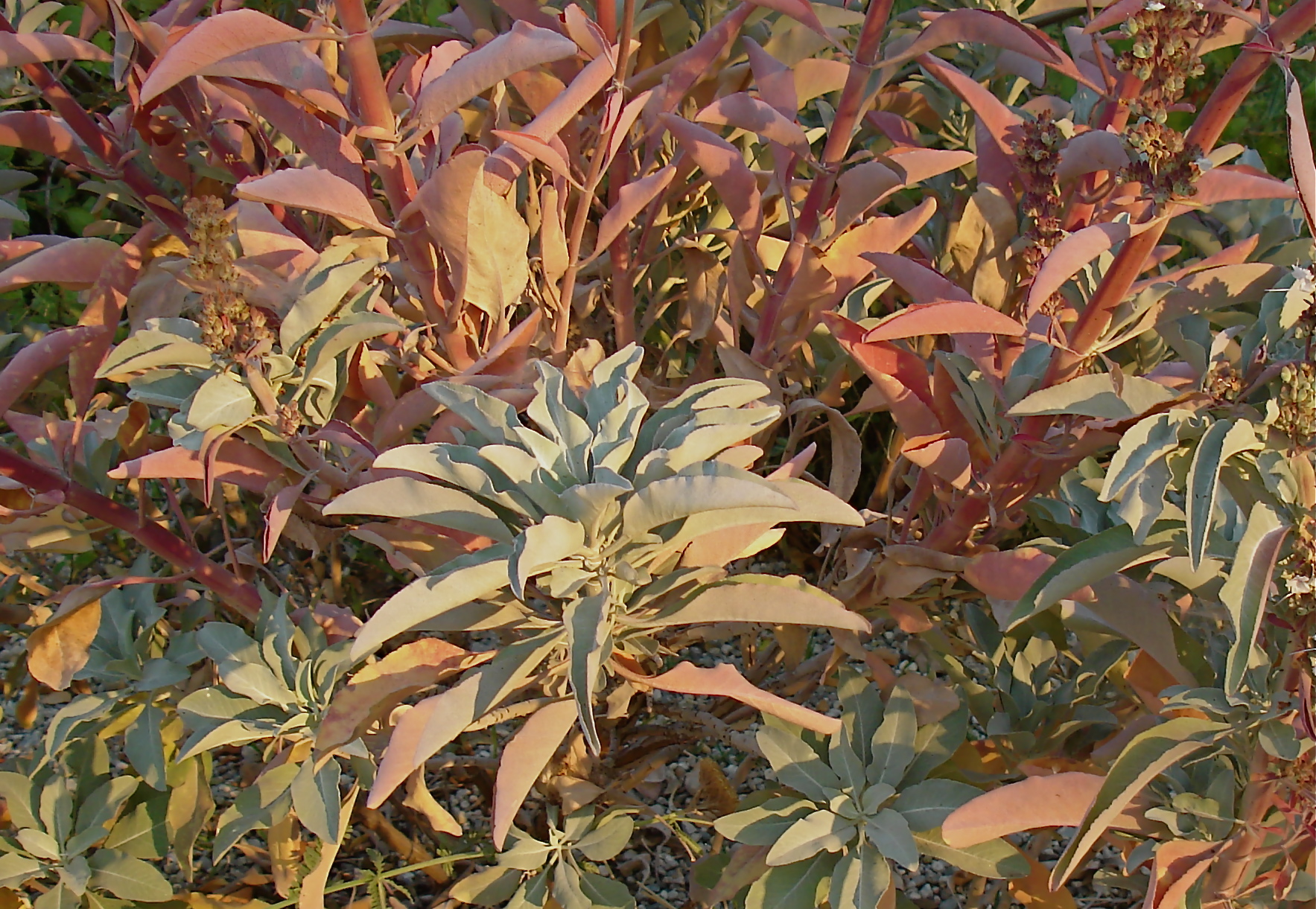
FROM TODAY’s Los Angeles Times op-ed pages:
YOU KNOW it’s the silly season when a member of the Los Angeles City Council weighs in on the importance of green lawns during a drought, as the 12th District’s Greig Smith did several weeks ago. Yet the council member’s motion, which sought to reduce watering times but increase days of the week when watering could be done, exemplifies the frustration of homeowners across Southern California. “For more than a decade, we have had a policy of greening, not browning Los Angeles,” Smith said.
It’s poignant, this bid to find a water-savvy way to keep Los Angeles green. It cuts straight to the heart of the problem with the way we garden. It’s color. We, in common with Smith, have been taught that green is good and brown is bad. In fact, the opposite is true. …
« go back — keep looking »North American Native Plant Societies
After the lawn

Garden blogs
