Make yourself at home
Posted on | February 23, 2023 | No Comments

This site is intended mainly as an online clipping service for the reporter Emily Green. Click here to be taken to the journalism archives. Occasional posts below vary between brain-on-fire moments and links to work published elsewhere. Sidebar links to various environmental sites are random acts of enthusiasm.
Bannon
Posted on | January 20, 2023 | 5 Comments
 After 27 years of pot smoke seeping through the tenth floor hallway of the Wilshire Royale, the stoner in 1012 is dead. As new owners incrementally zhuzhed up the Beaux Arts building at Wilshire and Rampart, formerly a Howard Johnson’s, and a number of hotel and assisted living iterations before that, my friend David Bannon joked that he would only leave his corner unit feet first. That he did on January 11th, aged 77, after electing medically-assisted suicide in lieu of cancer treatment. Surviving relations, for whatever reasons, have so far left his obituary to a two-line death notice issued by the cremation company. This may have been Bannon’s instruction. His erasure only underscores the sense of loss. Eccentricity is dead. Movies have had their day. Reading is over. David Gerard Bannon will no longer live to watch movies and read books and talk about them with his fractured network of cineastes and people who read. Read more
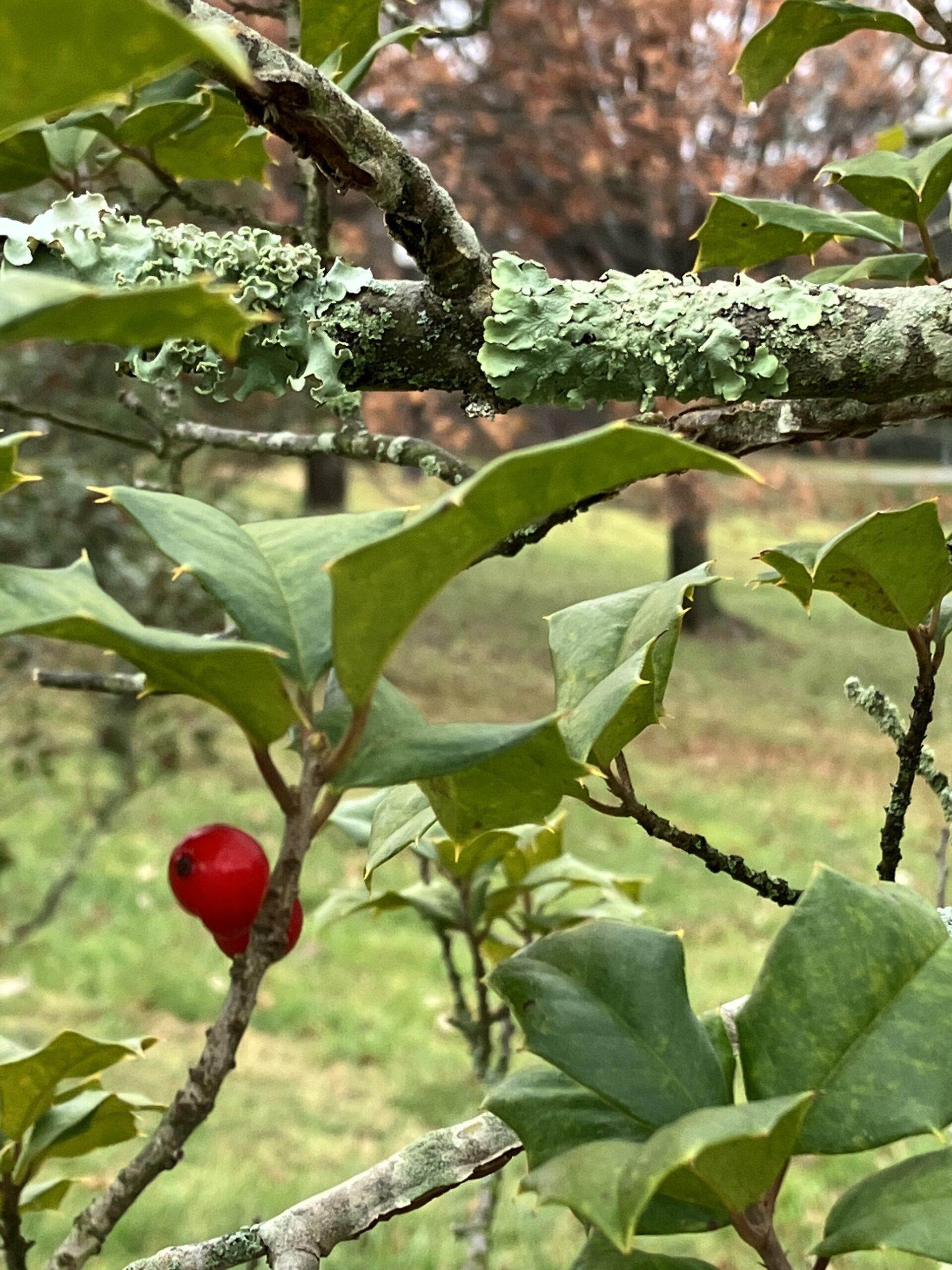
Behold the holly
Posted on | December 16, 2022 | No Comments
A fine mess
Posted on | October 9, 2022 | No Comments
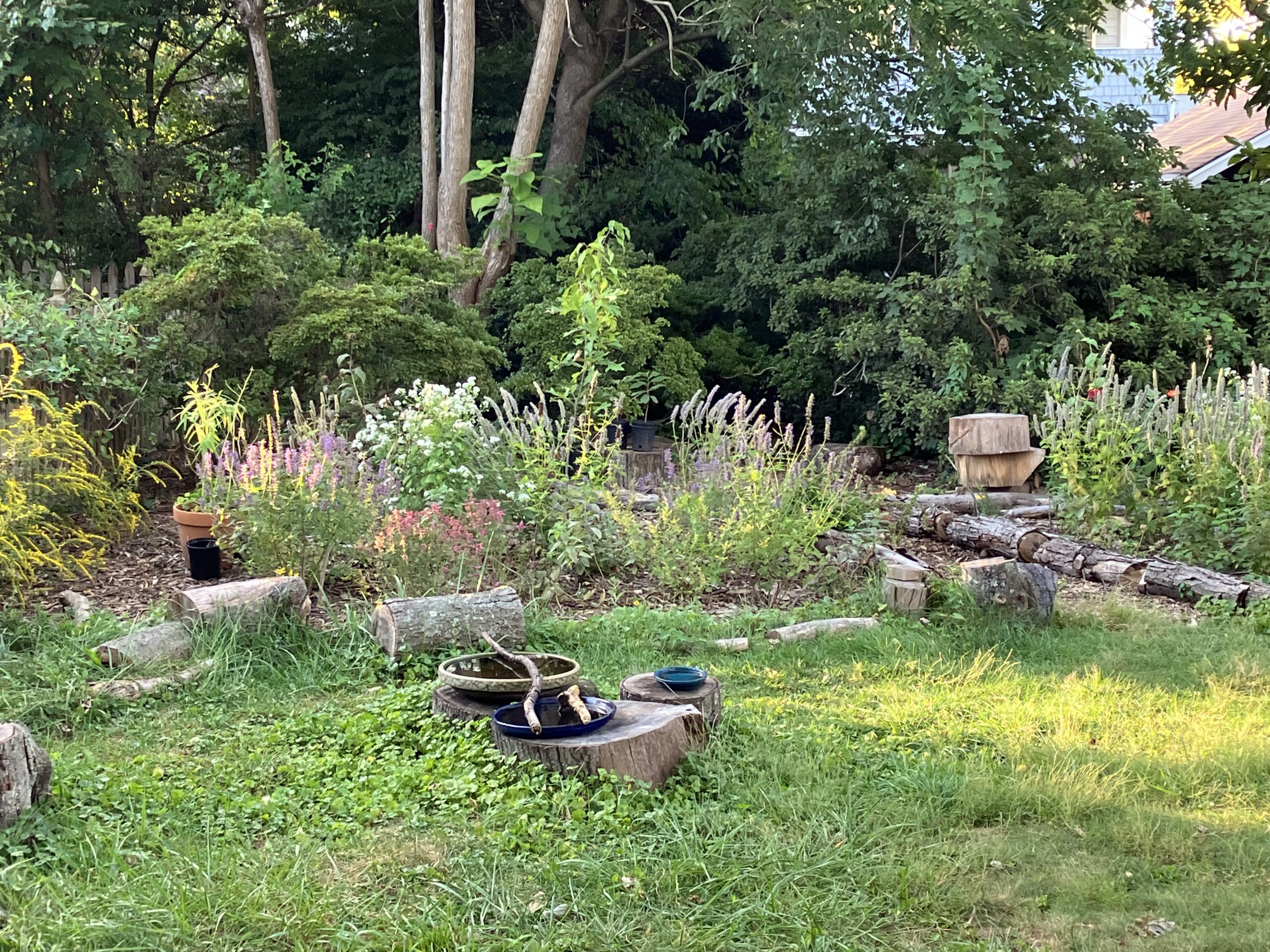
The photo series A year in a new garden documents the breaking out and replacement of a concrete driveway, big tree pruning, soil building, and sheet mulching of invasive ivy patches front and back. This snapshot, from a recent fall afternoon here in Baltimore City, is of the young patch of perennial wildflowers that replaced ivy in the back yard. The perennials planted last fall and last spring include milkweed, agastache, bergamot and giant blue lobelia. The goldenrod creeping in frame left is a welcome interloper from the neighbor’s yard. A pin oak sapling might just be visible in a slow effort to remove trees from under a power line and plant new ones well inside the garden borders. If it looks unkempt, it’s because the ground cover is largely left unmolested apart from reducing it with a string trimmer every couple of months. A perfect lawn isn’t perfect to this gardener. Moreover, where regular effort is made, it’s on things like refilling birdbaths and patrolling for emerging bindweed. It took a big push from October 2021 until October 2022 to have it look this gently wild.
“They shall not be questioned”
Posted on | December 19, 2019 | No Comments

Watching the impeachment hearings, one question nagged. Why is it illegal for citizens to lie to Congress, but legal for members of Congress to lie back to them? So I looked up the answer, which came in two parts. First, sworn witnesses testifying before Congress lie at risk of perjury charges. Meanwhile, members of Congress can say what they like under protection of no less than Article 1, Section 6 of the Constitution. It is the limits of this protection, known as the Speech and Debate Clause, that are now at the heart of the tug-of-war over whether the impeachment charges against President Trump will be referred for a Senate trial. Central to refusal of the President and Senate Majority Leader to call the Secretary of State, Chief of Staff, and former National Security Advisor to testify on behalf of Mr Trump is that they would be sworn witnesses whose testimony would not be covered by the Speech and Debate Clause. In other words, to earn the right to lie legally before Congress on behalf of the President, these men would need to run for office and be elected.
« go back — keep looking »North American Native Plant Societies

After the lawn

Garden blogs
