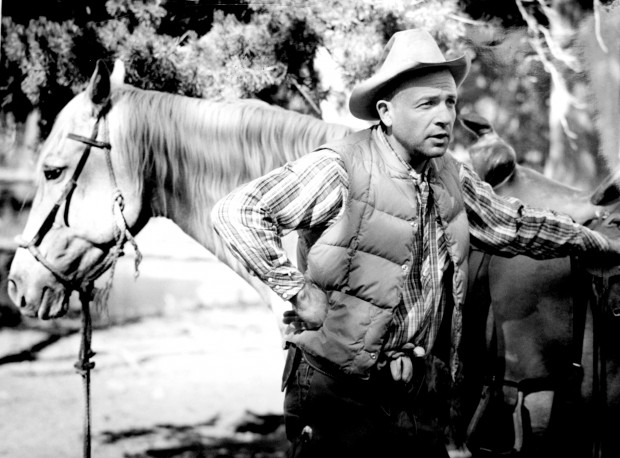
Cecil Garland, 1925-2014
Cecil Garland, the Utah rancher whose name is synonymous with wilderness preservation throughout the Great Basin and in Montana, died Sunday of pneumonia according to an obituary issued through the Great Basin Water Network. …
Judge decrees awards of rural water for Las Vegas “arbitrary and capricious”
The Nevada judiciary once again slaps down the state engineer for "arbitrary and capricious" reasoning in its water awards to Las Vegas.High good, low bad: Mead in July 2011
Why, you might wonder, would anyone in their right mind use a map highlighting the Mississippi River system for a monthly post about the elevation of the largest reservoir on the Colorado River? The reason is a renewed offer on the table from Las Vegas water manager Pat Mulroy. Divert the Mississippi and its tributaries to feed upper basin Colorado River users, give Vegas the water therefore left in the Colorado River system and she’ll leave the Great Basin aquifer alone. “The instate project wouldn’t be needed because at that point what you’ve done is securitize the Colorado River,” she tells a reporter for “Vegas, Inc.”
This transcontinental flood control scheme isn’t new. Pat’s been braving ribald mockery over it for at least three years now. The “give me more Colorado River water or the Great Basin desert gets it” line isn’t new either — that’s been a …
High good, low bad: Mead in February 2011
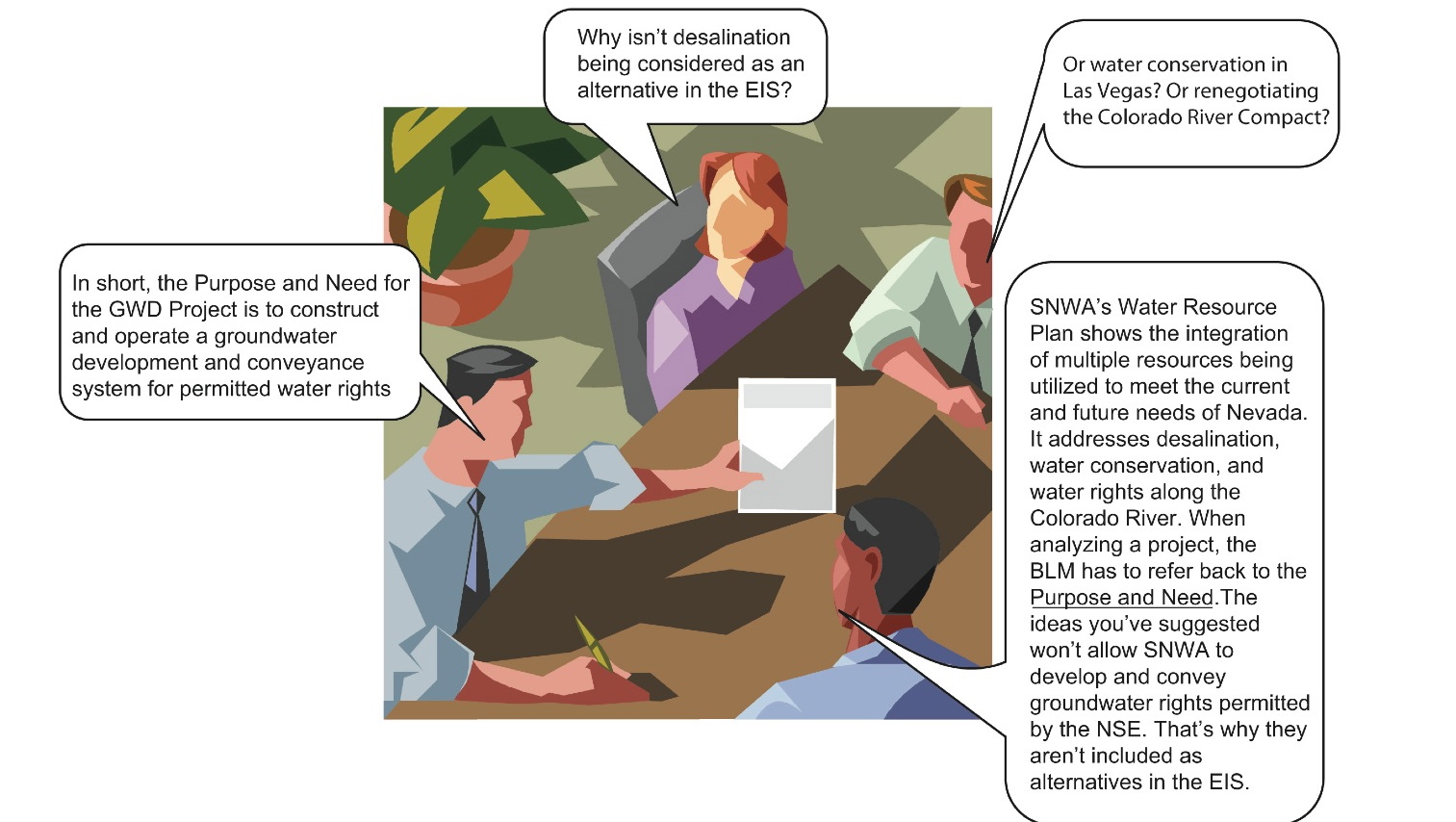
Actionful and remarkably well-groomed bureaucrats: Bureau of Land Management illustration explaining what might appear a Southern Nevada Water Authority-friendly bent in the framing of the pending Environmental Impact Statement. Click on the image to read the captions.
Two decades ago, a plan to tap the Great Basin Aquifer in five Nevada valleys through a nearly 300-mile-long pipeline to slake inexorably booming Las Vegas was a back-up plan. Plan A was that Nevada’s relatively small allocation from the Colorado River could be increased. Las Vegas is, after all, twenty miles from Lake Mead, the largest storage reservoir in the U.S.
Yet when Western cities kept booming after the Colorado River entered long-term drought in 1991, Plan B became Plan A. Tapping the aquifer of the glorious and sparsely populated counties of Nevada’s Great Basin Desert became a central pillar of the Southern Nevada Water Authority’s long term water plan. Steve …
Vegas pipeline hearing timeline sketched
FOLLOWING a series of damning court decisions that vacated almost 80,000 acre feet a year of groundwater awards to Las Vegas from four valleys in rural Nevada, the State Engineer has published a tentative schedule to re-notice and re-hear the cases. If the brisk timeline is kept, the decisions over whether or not to tap the Great Basin Aquifer to slake Las Vegas could come as early as mid-February 2012.
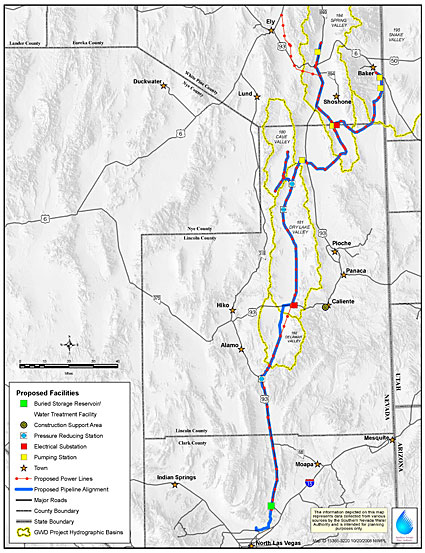
Under the new schedule, notices of the applications by Las Vegas for permission to tap rural groundwater over thousands of square miles will be published in regional Nevadan newspapers in November. The period in which affected parties may lodge legal protests entitling them to participate in the hearings will close in late December.
…
North American Native Plant Societies

After the lawn

Garden blogs
