The Dry Garden: 275 lawns down, 79,725 to go in Long Beach
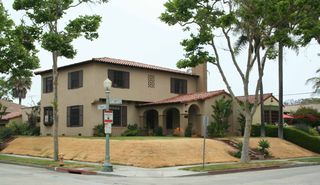
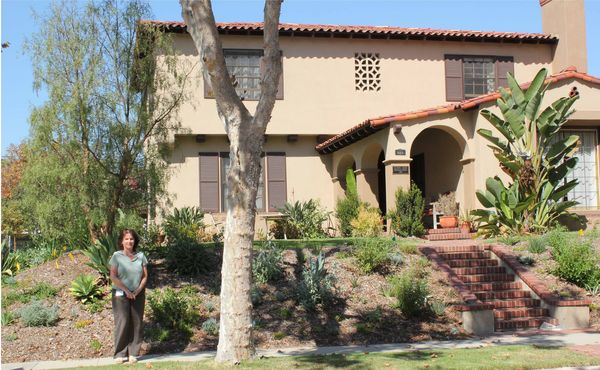
Plaudits, not sprinklers, were flowing this week when the Heal the Bay president, a Surfrider Foundation policy director, a vice mayor and water company general manager gathered in the garden of a Long Beach handyman to ooh and aah over the salvia.
They were there to praise citizens of Long Beach who embraced the first of two rounds of rebates — $2.50 per square foot lawn converted to low-water garden — that started in April. It stands to reason that clean-ocean advocates would appreciate how important it is to check the stream of pesticide and fertilizer pollution that runs into the Pacific from lawn-sprinkler overflow. But what has dazzled everyone familiar with the Beautiful Long Beach Lawn-to-Garden Incentive Program is how citizens of this beach city have been so ready to do their part. The first day that the Long Beach Water Department began accepting applications, conservation specialist Joyce Barkley …
A decade of change
I had the honor this week of being a guest speaker before both the California Native Plant Society and Lili Singer’s Garden Talk audience at the Los Angeles County Arboretum and Botanic Garden. The subject: A decade of gardening, during which time I took my 8,000 square foot lot near downtown Los Angeles from a conventional turf & mow model to a Mediterranean climate/native garden that runs largely on local rainfall and sees power tools only every two years during pruning season. This photo essay captures that progression. My apologies to the CNPS audience, who last Sunday endured a PowerPoint failure. Here, belatedly, are the images. My thanks to Steve Hartman of CNPS, Lili Singer of the Theodore Payne Foundation and Jill Berry, Ted Tegart and Cynthia Vargas of the Arboretum for challenging me to put together this photo diary, then helping it come together. To see the full photo …
The week that was, 9/26-10/2/2010
Ceiling of the Sunol Water Temple in Sunol, California. Designed by Willis Polk, the temple marks the convergence the Alameda Creek, Arroyo de la Laguna and the Pleasanton Well Fields. Click on the image for a Contra Costa Times account of its centennial last weekend. Image source: Wikipedia.
The Tribal Council on Wednesday tabled a bill that would have given the tribe 31,000 acre-feet of water a year from the Colorado River, the un-appropriated surface flows from the Little Colorado River and nearly unlimited access to two aquifers beneath the reservation. — Navajo lawmakers table proposed water settlement, Associated Press/Arizona Capitol Times, September 30, 2010
“I urge the Senate to pass S.2891, the Hoover Dam Power Allocation Act, which reauthorizes the dam for the next 50 years and expands access to its power to Native Americans and other previously excluded groups.” — Press release, Grace Napolitano commemorates 75th …
Native plants, native water
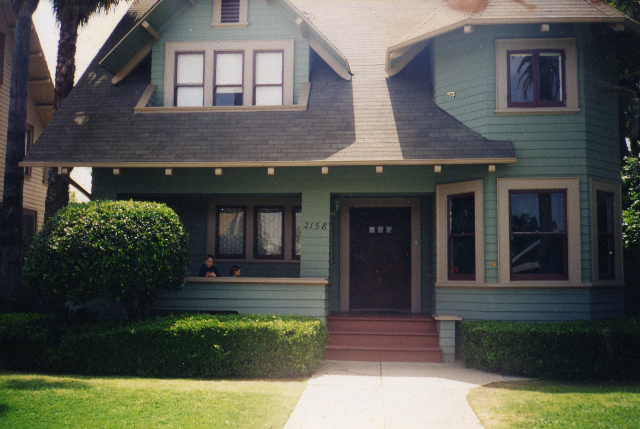
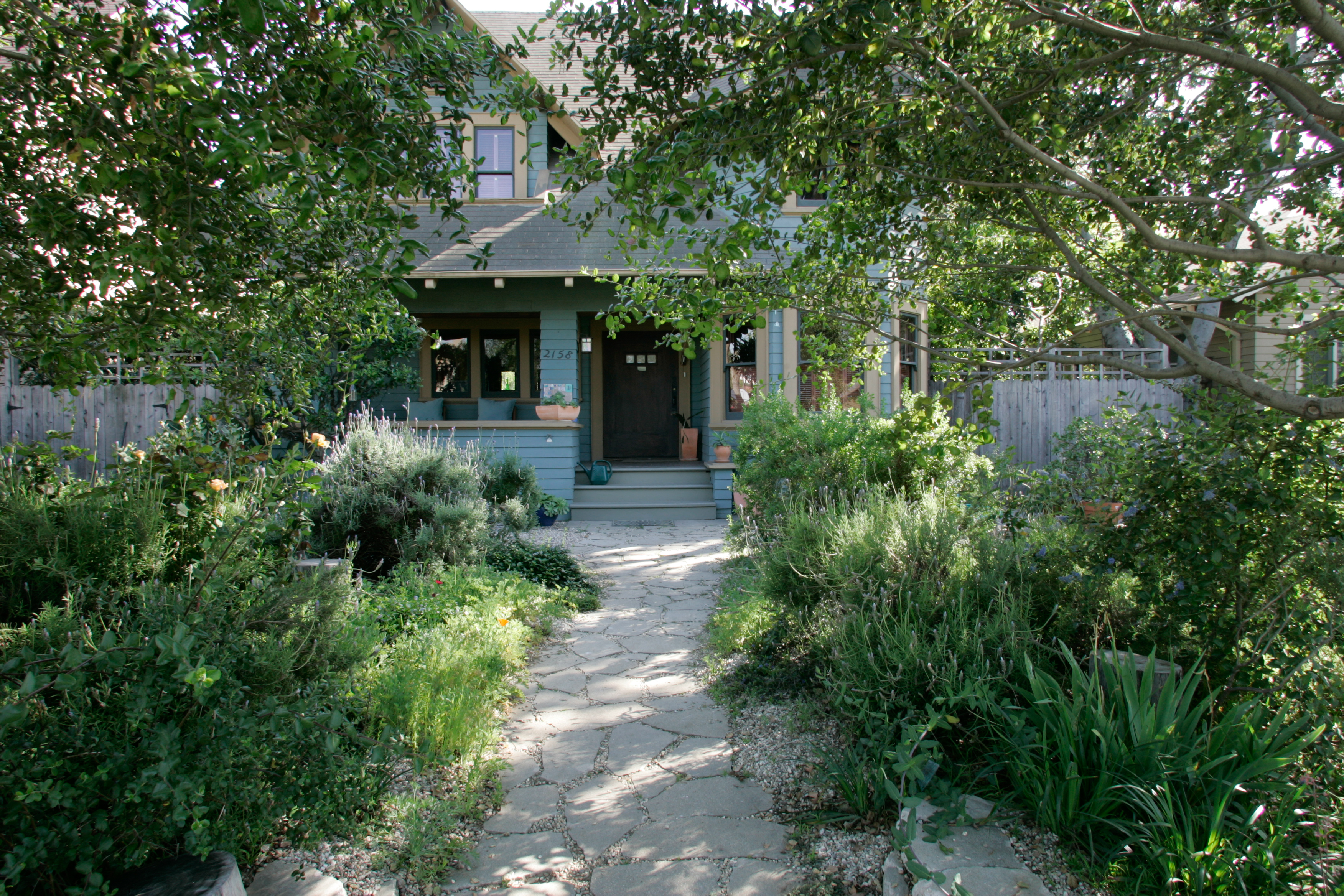
I will be presenting slide shows this coming week, tomorrow at 12noon at the California Native Plant Society’s Sale in Encino and Thursday at 9.30am as Lili Singer’s guest at the Los Angeles County Arboretum and Botanic Garden in Arcadia, about the conversion from a conventional garden (above) to a largely native one (below). The upshot was a massive increase in shade and wildlife value, elimination of storm water run-off and steep decrease in maintenance fees and water use. Judge for yourself as to beauty. For details about tomorrow’s talk, click here, for Thursday’s here. Click on photos to enlarge.…
The Dry Garden: Not cool
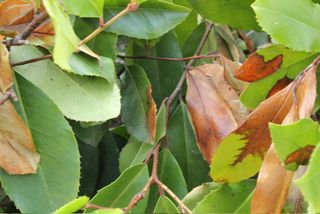
The most common mistake bruited about Los Angeles is that it’s in a desert. It’s not. It’s in one of five of the world’s Mediterranean climate zones, which means that it has a largely temperate but dry climate with winter rain and rainless summers. That said, last Monday, we got a taste of what really living in a desert is like. Santa Ana winds out of the high desert of the Great Basin drove temperatures to 113F in downtown Los Angeles. If your garden wasn’t stressed, you probably don’t have one. Click here for this week’s Dry Garden column in the LA Times on how to irrigate in Southern California during the October-December Santa Ana season.…
« go back — keep looking »North American Native Plant Societies
After the lawn

Garden blogs
