Pacific coast irises: Look now, buy later
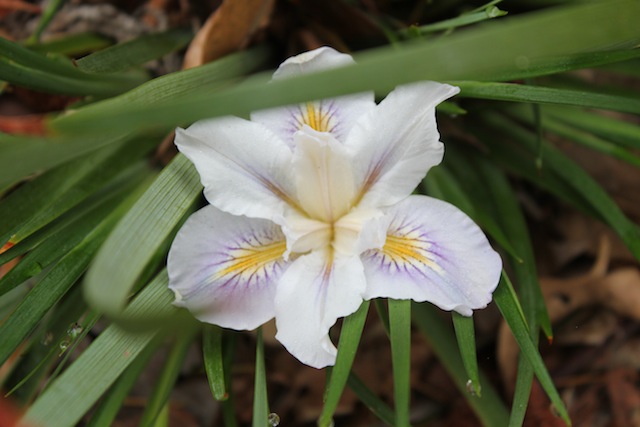
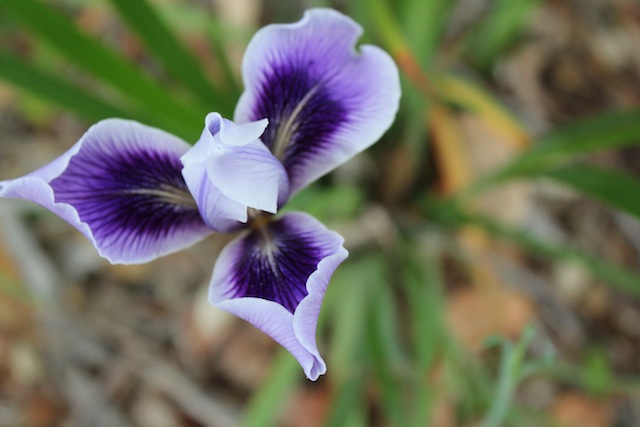
Last spring I wrote about how the March release by nurseries of Pacific coast irises tempted many — myself included — to plant the flowers in April. I put up this post-script because, having done it in 2011 after a wet winter leading into what proved a cool summer, I still saw mortality rates of 15%. Anyone trying it this April would be starting after a dry winter going into what looks like it’s going to be a hot summer. Here’s the problem: If you are watering newly planted irises as they become dormant in May and June, and given the only partially charged soil, you probably will be, it’s a perfect recipe for root rot and death. At $5 a plant, or more, there are much less dispiriting ways to waste money. So in these dewy days following our long-awaited rain, my advice is to inspect established Pacific coast …
Rubus ursinus: A beary good berry
Click on the 1924 Royal G. Steadman rendering of a youngberry (Source: USDA) to be taken to tomorrow's LA Weekly article on Rubus ursinus, the Pacific blackberry still native to rare, undeveloped pockets of Los Angeles. Its fragrance and intense flavor gave rise to the caviar of summer: boysenberries, youngberries, marionberries and loganberries. Then, if you can, plant one of these brambles, either the straight-up species or a hybrid whose native Western progenitor was named for the bears who love them. The plants are disappearing from commerce as tougher specimens from Eastern and South American stock increasingly dominate the nursery and fresh fruit trades.
How Rancho Santa Ana Botanic Garden grew, 1950-1970
Twenty years of painstaking record-keeping at the Rancho Santa Ana Botanic Garden in Claremont, California unlock mysteries of the golden state's flora.Weather that drives you to the nozzle
With rainfall across Los Angeles less than half the putative average for this time of year, and forecasts making discouraging noises about the prospects for a “March miracle,” it’s time for dry gardeners to water.
As odd as it sounds to be prescribing irrigation after light rains blew through and before summer heat, for lack of meaningful precipitation, late winter is the time to charge unnaturally dry ground. The soil is still porous, so there should be no run-off. Shorter and cooler days check evaporation and native and Mediterranean gardens are growing now, so they need a drink before they slip into summer dormancy in May.
But use caution. This is by no means a recommendation for a return to lawn-style frequent and light watering. It’s not about pushing a lot of new growth. It’s a …
A day in the Mojave
A trip to the Mojave revealed two exquisite gardens near Joshua Tree, California « go back — keep looking »North American Native Plant Societies
After the lawn

Garden blogs
