Image of the day: Mediterranean climate zones
Posted on | November 17, 2009 | 1 Comment
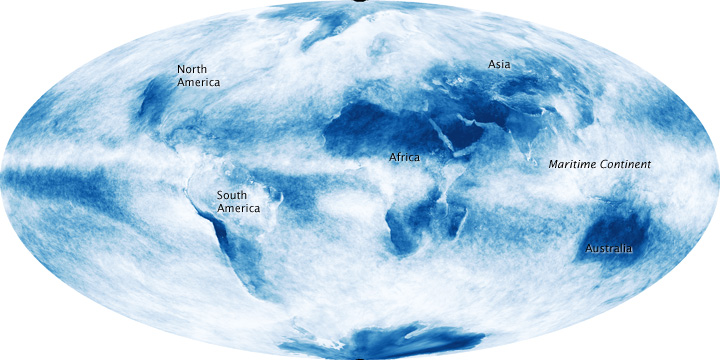
THIS image of the day from NASA’s Earth Observatory takes composite pictures of global cloud cover for the month of October 2009 to examine what cloud presence alone says about the land below.
According to NASA, the starkest examples are in areas where dry land is bordered by ocean. Sure enough, peeping out from beneath the clouds are the world’s five mediterranean climate zones, which in addition to California include part of the Chilean coast into western Argentina, southwestern Australia, the Mediterranean basin and southwestern South Africa.
Mediterranean climate zones have unique floras adapted to surviving on winter rains then hunkering down into dormancy during prolonged dry seasons. For Californians, who for the last century have grown wet-climate plants such as turf grass with imported water, a switch to native and mediterranean climate zone plants is seen as an essential step as global warming and population growth threaten the planet’s fresh water supply.
For more information on gardening with plants from these zones, some good sources are: The California Native Plant Society, Rancho Santa Ana Botanic Garden, the Theodore Payne Foundation, the Mediterranean Garden Society and Pacific Horticulture. Two good books to get gardeners started are: California Native Plants for the Garden by Bart O’Brien, Carol Bornstein and David Fross and The Dry Gardening Handbook: Plants and Practices for a Changing Climate by Olivier Filippi.
Tags: chance of rain > Emily Green > Mediterranean climate zone > NASA Earth Observatory
Item 5
Posted on | November 17, 2009 | 2 Comments
Updated 11/19/2009 9.21am PST
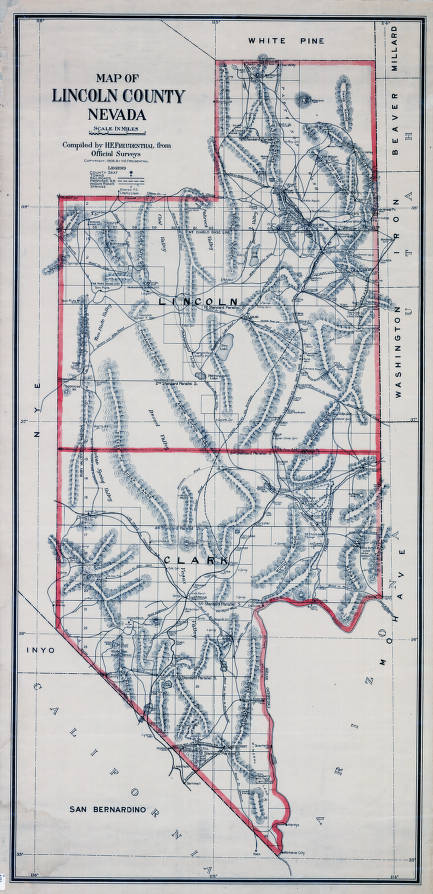
ITEM 5 on the agenda for this Thursday’s board meeting of the Southern Nevada Water Authority calls for the directors to take an October 15, 2009 decision by a Nevada district judge Norman C. Robison to the state Supreme Court.
The Robison decision deemed a 2008 award of water to Las Vegas and the SNWA by the State Engineer of Nevada from three Lincoln County valleys “arbitrary, oppressive and a manifest abuse of discretion.” It then vacated the award for water in the three valleys that are the key first staging grounds of a nearly 300-mile-long pipeline that Las Vegas plans to run into the heart of the state to pump rural groundwater.
Why did the judge rule the way he did? According to Robison, the water — 18,755 acre feet of it a year (or enough for 37,000 homes) — isn’t there. “The state engineer acknowledged within his ruling that all water rights previously available in the three basins at issue had already been fully distributed. The State Engineer then declared that the perennial yields within the three basins had increased, thereby creating additional acre feet annually available for distribution.”
Tags: chance of rain > Emily Green > Las Vegas > Southern Nevada Water Authority
Western datebook: Old man with a paint brush
Posted on | November 16, 2009 | No Comments
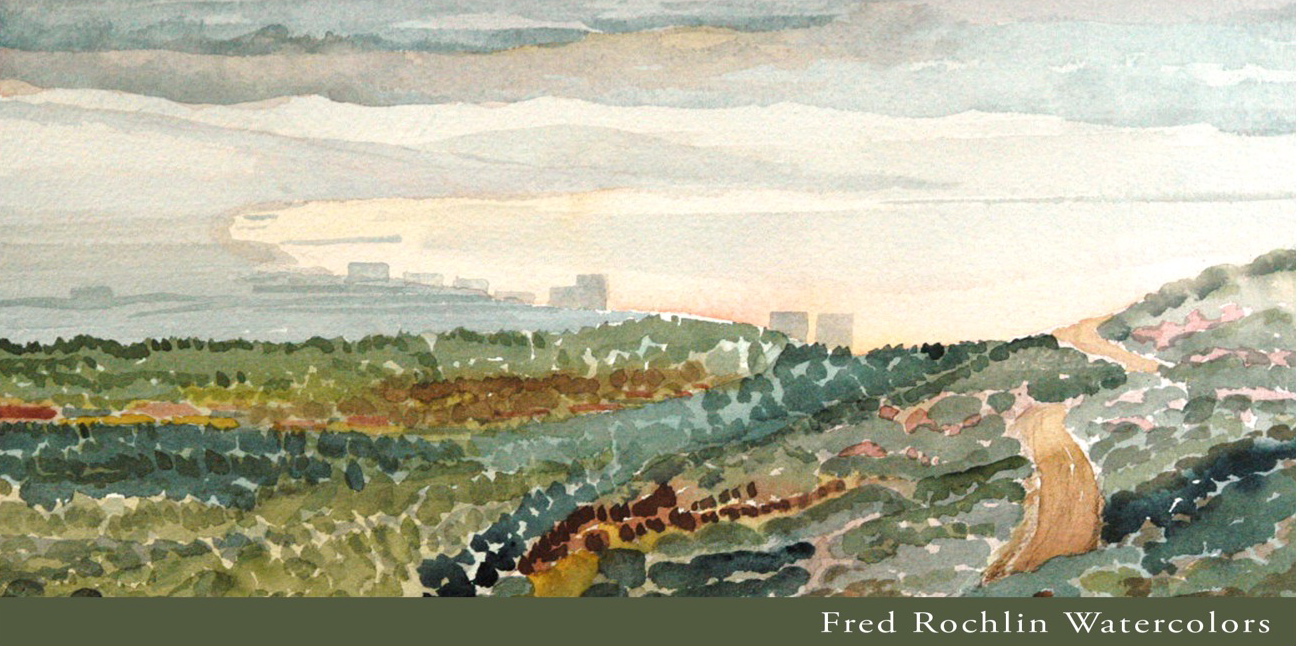
IF ANY one life sums up the turbulence, potential and sheer beauty of the 20th century experience in the American West, it might be Fred Rochlin’s. Born in 1920s Arizona, Rochlin went on to become a leading Los Angeles architect, apprenticing with Lloyd Wright and Charles Eames and then founding his own firm Rochlin & Baran.
Apart from 2,000 projects that he helped build, with his wife, Harriet, he also documented the largely untold stories of Jews in the westward migration in their 1985 book “New Life in the Far West.”
After retirement as an architect, in 1998, Rochlin startled the world of performance art with his World War II memoir “Old Man in a Baseball Cap.”
Now, seven years after his death in 2002, yet another of Rochlin’s talents has been unveiled: Painting. A new exhibit, “Fred Rochlin Watercolors,” will be on show between 11am-4pm Tuesday-Saturday until November 28th at 11973 San Vicente Boulevard, #101, in Los Angeles. For more information, phone: (310) 476 1987.
Tags: chance of rain > Fred Rochlin > Los Angeles Parks Foundation > watercolors
The week that was, 11/8-14/2009
Posted on | November 15, 2009 | No Comments
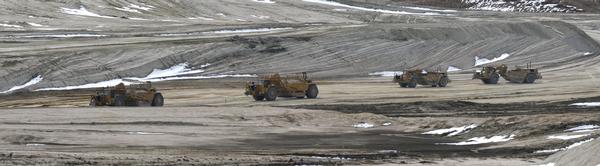
A line of scrapers works the ground. No water has been secured for the south metro reservoir, and Western Slope interests are balking at proposals to pump water over the mountains. (John Prieto, The Denver Post)
An armada of giant yellow earthmovers on the prairie south of Denver is racing to dig one of Colorado’s biggest water-supply reservoirs in decades — a hole 180 feet deep across 1,400 acres — designed to wean suburbs off waning aquifers. But the water to fill this reservoir? Not yet secured. — “Reservoir under construction south of Denver but there’s no water to hold,” Denver Post, November 10, 2009
Click here to keep reading The week that was
Western datebook: ‘Beyond Desire’
Posted on | November 14, 2009 | No Comments
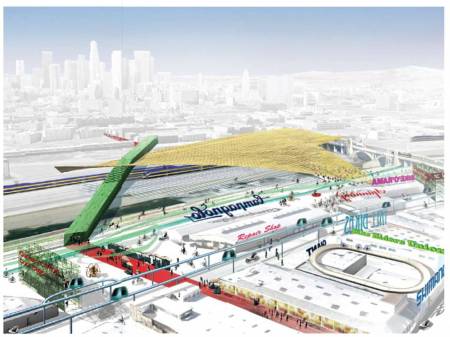
"The Furry Hub," P. 42-43 of the catalog imagines combining a number of municipal services in one urban center. The chapter asks: "What if you could change trains and habits in the same place?"
“The Fifth Ecology: Los Angeles Beyond Desire” imagines the Los Angeles River re-developed in a way that celebrates and combines wetlands, recreation, transport and recycling. The work of a team of Swedish architects and designers from the Royal University College of Fine Arts in Stockholm, the exhibit opens tomorrow at the g727 gallery, formerly the James Rojas Gallery. A handsome catalog is now available online.
This item was spotted on LA Creek Freak, where Joe Linton has an insightful and affectionate essay about the Swedish team.
Tags: chance of rain > James Rojas Gallery > LA Creek Freak > Los Angeles River
North American Native Plant Societies

After the lawn

Garden blogs
