April fully loaded
Posted on | March 21, 2011 | No Comments
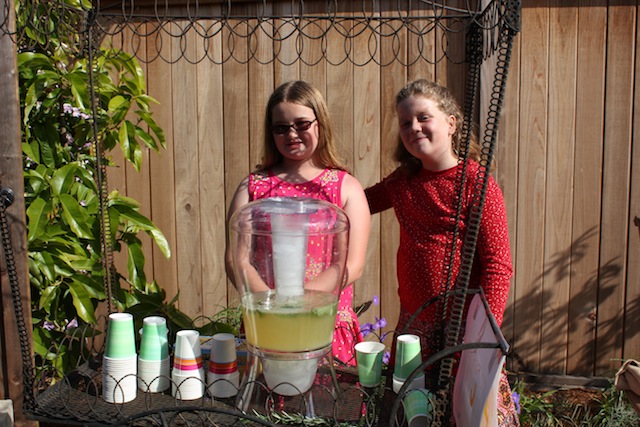
Lemonade entrepreneurs kept visitors hydrated at last year's Mar Vista Green Garden Showcase.
April 2011 may go down in the record books as the best month ever for tours, classes and plant sales held by Southern California’s gathering water and energy conservation movements. Click here for a full listing, then ready your date books. By all means check out the rest of the March calendar as well.
From water, dreams, art
Posted on | March 18, 2011 | 3 Comments

“THERE is found in widely separated parts of Australia a belief in a huge serpent, which lives in certain pools or water-holes. This serpent is associated, and sometimes identified, with the rainbow. In many instances, it is also associated with quartz-crystal, doubtless from the prismatic colours visible in the latter. Now rock-crystal, in a great number of Australian tribes, is regarded as a substance of great magical virtue,” wrote the late English anthropologist, Alfred Radcliffe-Brown, in “The Rainbow-Serpent Myth of Australia.”
This photo series records a glimmering recent incarnation of the rainbow serpent, or dream snake, in the Australian garden at the Los Angeles County Arboretum & Botanic Garden. Commissioned in 2008, the project was overseen by Arboretum artist-in-residence Leigh Adams, who gives a gripping account of the dream snake legend at her website. “Before all this was here, there was dreaming, only dreaming and we call that Dreamtime,” she wrote. “When the energy of dreaming grew too powerful to just be, a huge serpent came into being and it thrashed with the unlimited energy of dreams and gleaming with the first colors of the birthing planet.”
 Unlike many places in the world this week, Los Angeles was calm. But as rain envelops Southern California this weekend, who knows if the dreaming serpent will stir? To see a full-on slide show of its crystals on Flickr, click here. Or for a miniaturized glimpse, merely look after the jump.
Click here for a spangled serpent
Tags: chance of rain > Dream Snake > Leigh Adams > Los Angeles County Arboretum
The Dry Garden: Don’t fence me in
Posted on | March 18, 2011 | No Comments

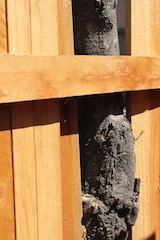
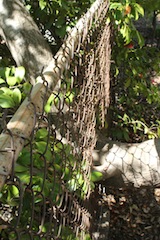
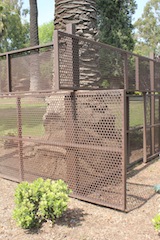
The iconic images of Los Angeles sold to the world typically involve palm trees, beaches and freeways. Those of us who live here, however, know that the true symbol of Southern California is probably a fence. Fences are everywhere. Chain link fences, wrought iron fences, barbed wire fences. Brick, cinderblock, and river rock fences. There is so much redwood fencing that it’s a wonder there are any redwoods left.
Leaving aside how ironic it is that there should be outcry about a proposed fence for the home of the mayor of the city of fences, what is rarely considered in our highly framed world is what all this fencing does to plants. This is worth addressing because that impact is profound.
Click here to keep reading The Dry Garden in the Los Angeles Times.
Good chance of rain
Posted on | March 17, 2011 | 2 Comments
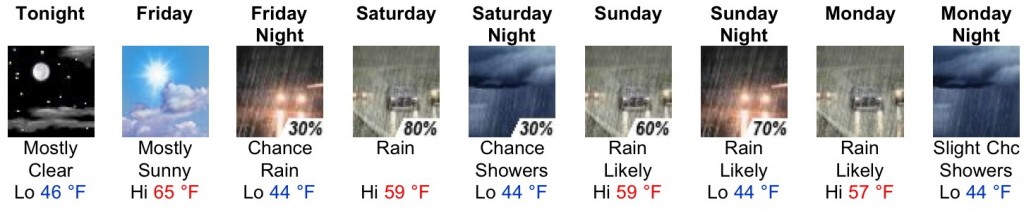

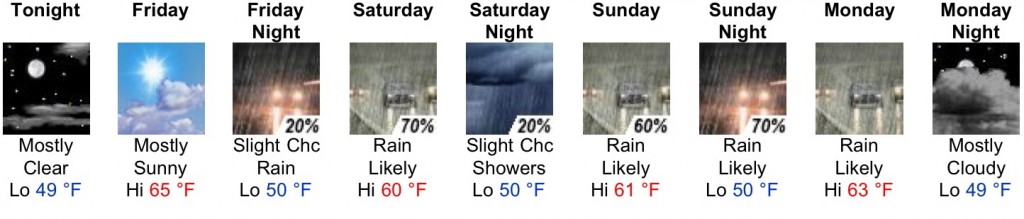
Previously tentative forecasts for rain in Los Angeles have firmed up in the last several days. Below, top to bottom, are at-a-glance probability icons from the National Weather Service as of Thursday afternoon for Los Angeles County foothills (top row), basin (middle), and beach (bottom). To check your forecast, click here to be taken to the National Weather Service, then enter your zip code.
Map of plume from Japan
Posted on | March 17, 2011 | No Comments
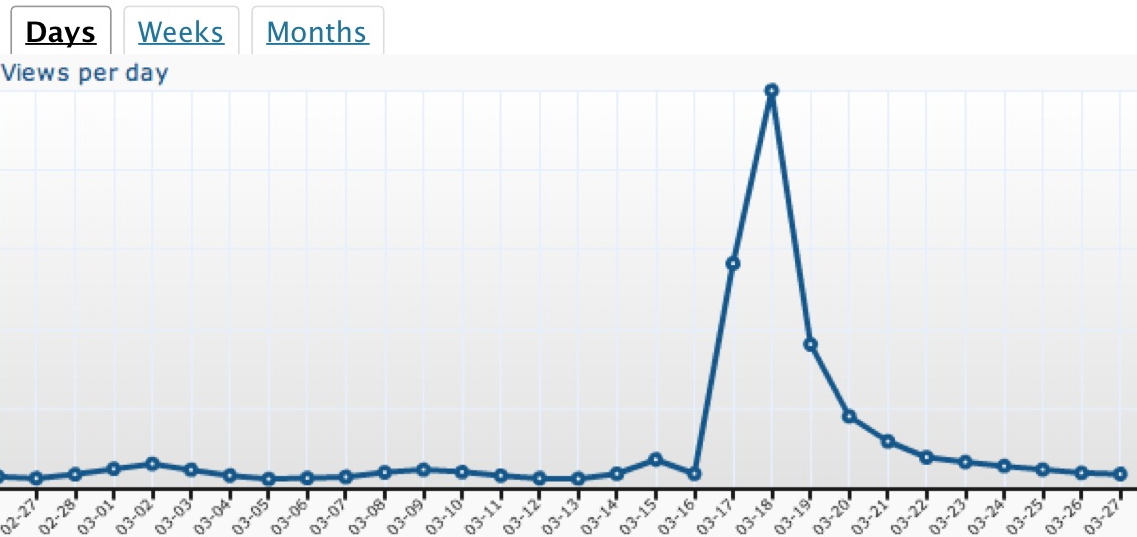 UPDATED POST: A Comprehensive Test Ban Treaty Organization model of radioactive material from the disaster in Japan carried in the New York Times and Los Angeles Times has been removed from this post. Comments relating to the map have been removed. Anyone wishing to comment should go to those papers. This website, whose core mission is conservation, was being overwhelmed (see graphic above). For information about trace radiation in California from the Japan disaster, by all means check your air quality management district. Or check daily radiation levels from this RadNet Service from the US Environmental Protection Agency. No further comments to do with this remaining stub post will be published and earlier comments have been stricken.
March 25: National Public Radio has this excellent story about the Comprehensive Test Ban Treaty Organization monitoring, Built for bombs, Sensors now track Japan radiation.
« go back — keep looking »North American Native Plant Societies
After the lawn

Garden blogs
