A beauty contest with brains
Posted on | May 2, 2010 | 3 Comments


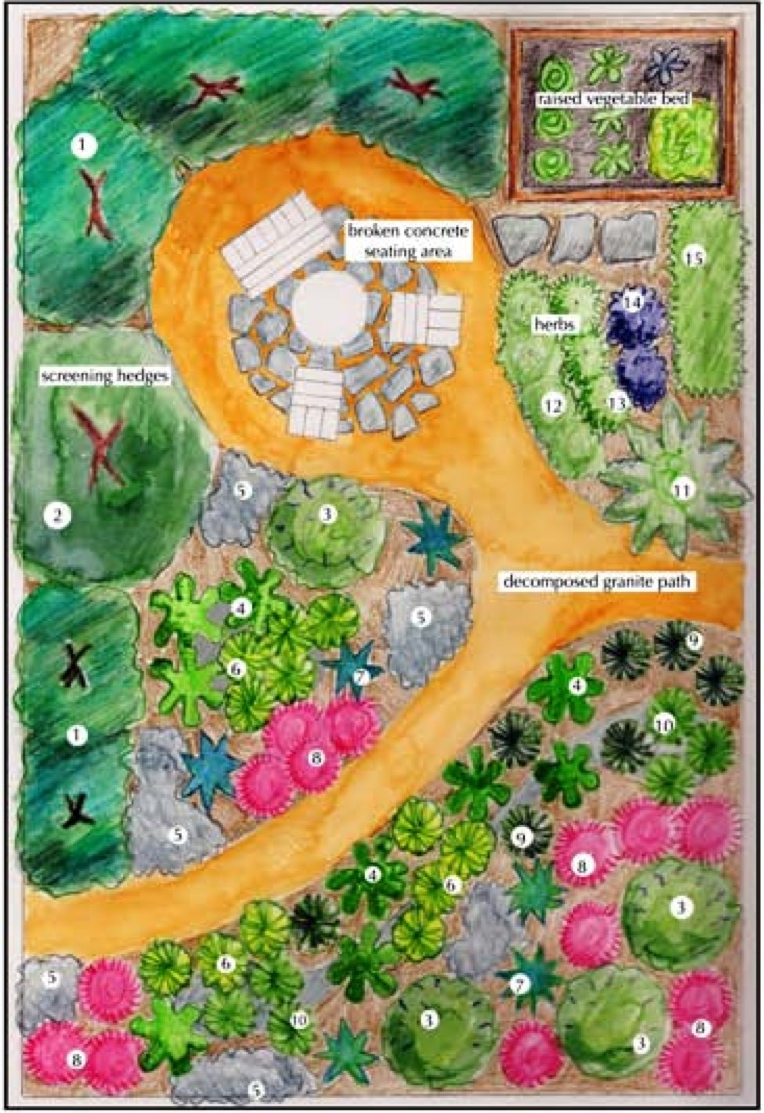
IN the name of water conservation and reducing storm-water pollution, the city of Santa Monica has embarked on a demonstration project that not only shows what a sustainable garden looks like, but also offers design schematics, expert referrals and assurance that nurseries will make the plants available.
The latest move builds on the success of the 2004 demonstration project titled “garden/garden” at Santa Monica City College. It provided a side-by-side comparison of a water-saving landscape with a conventional one.
The new project, to be built on city-owned property at 3200 Airport Ave., will involve construction of three sustainable gardens side by side. According to a statement released by the city, among the design criteria were incorporation of “outdoor living room features, elements from Mediterranean and shade gardens, climate appropriate plants, permeable paving, veggie gardens, play areas, drip irrigation and lawn alternatives.”
What will the three gardens look like? That’s up to the public. After putting out a call to interested landscapers for prospective designs in February, then whittling down 27 entries to a short list of nine plans, the city is asking the public to vote on which three gardens to build.
Illustrations: Three of the nine schematics shortlisted by the City of Santa Monica. Click here to keep reading about the contest in the Los Angeles Times.
Click here for an aerial view of the site for the three gardens
Tags: chance of rain > City of Santa Monica > demonstration gardens > Los Angeles Times
High good, low bad: Mead in April 2010
Posted on | May 1, 2010 | 2 Comments
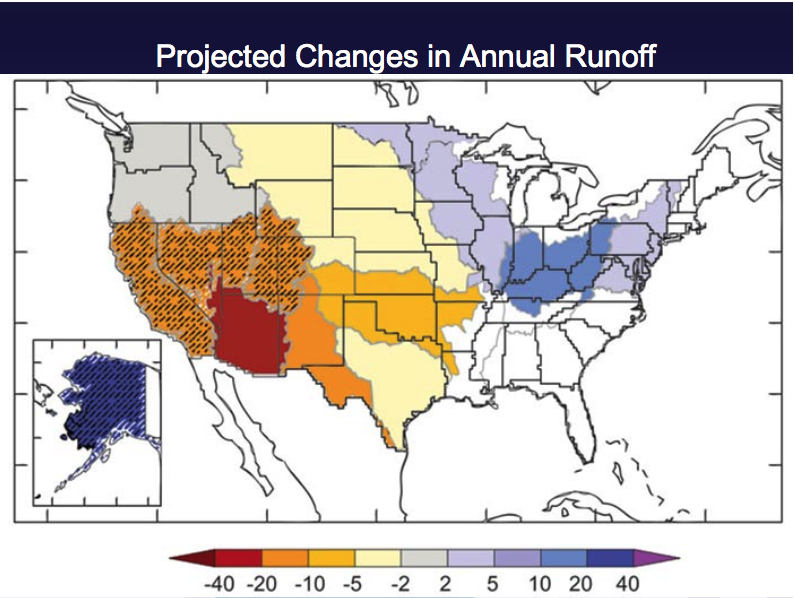
Detail from "The Aussie Big Dry: Lessons from Australia for the Colorado River Basin." Source: Brad Udall / CU and NOAA via the Colorado River Commission of Nevada. Click on the image for the entire presentation.
Albuquerque science writer John Fleck spent much of April meandering the Lower Basin of the Colorado River and posting his impressions. The bird-watching was delightful, particularly in Bellagio Fountain and the Las Vegas Wash. But if you read it (definitely read it) please do not be lulled by his couth tone. Fleck, in common with the scientists who he interviews, gathers facts. The implicit assumption behind this approach is that, armed with these facts, we the public will take action, hopefully in the public interest.
(There is an excellent lecture by University of Oregon philosophy professor Kathleen Dean Moore linked on WaterWired about why most of us fail to do this.)
However, even without moral tag lines, for those of us monitoring the slow collapse of our Western watersheds from its many, often weird angles, Fleck’s series is interesting reading. Most enlightening to this browser were his links from presentations made at the April meeting of the Nevada Colorado River Commission. This presentation by Brad Udall, director of the Western Water Assessment Office jointly sponsored by Colorado University and the National Oceanic and Atmospheric Administration, conveys the nature of the crisis looming over one of the main arteries of the Southwestern water supply.
The slides do a dandy job laying out the problem, but not the solution. And so, even though why we need to act grows clearer by the day, how we do it remains up to us. Before believing the insidious and shameful message coming from the Metropolitan Water District of Southern California — that leaving enough water in our river systems for “various fish species” to survive is the problem and therefore leaving those “various fish” high and dry is the solution — do check into the Moore lecture to consider if, and why, individual action matters. No politician will have the stones to, say, take away the lawns of Los Angeles to save the Colorado River, or the Pacific estuaries tapped for the city. The creatures that we impact, be they humpbacked chub, flycatchers, smelt, salmon, orcas, seabirds or bears don’t vote. And they don’t draw tourists to Las Vegas or pay the rates that keep water wholesalers such as MWD in business. If we move to stop mass extinction through conservation and progressive water management, we will have to decide that doing so is part of our moral obligation to the future.
Click here for April elevations of Lake Mead from 2002-2010
The Dry Garden: Hummers and snapdragons
Posted on | April 30, 2010 | 2 Comments
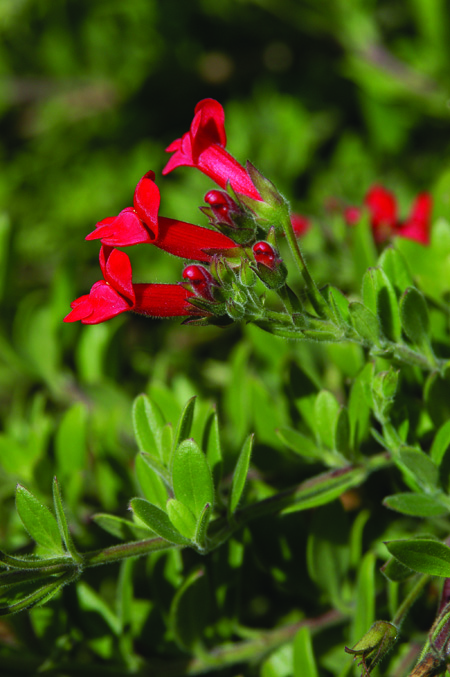
Channel Islands native Galvezia speciosa amounts to a year-round hummingbird feeder on a negligible water budget. Cal Poly Pomona landscape architect Bob Perry recommends the hybrid 'Firecracker' (above) as being compact and therefore suitable to many gardens. Photo: Bob Perry / Land Design Publishing
If you are considering a hummingbird feeder, try buying a plant instead of a bottle.
For what seems like a year-round fountain of nectar, make that plant a bush snapdragon. Galvezia speciosa, as this Channel Island native is more properly known, flowers four out of four seasons and 365 days a year. Its bright red tubular blossoms clearly evolved with hummingbirds as pollinators, and the birds will stake out your garden the instant the plant goes in the ground.
They are very hard to kill; Galvezia’s only weakness is susceptibility to freezing. Other than that, they can be used throughout most of Southern California. The bright green foliage takes salt air with equanimity, but it thrives inland (where it will thank you for some shade). Galvezia will also happily abide clay. Add to that, its water requirements are so minimal that in all but the hottest inland situations you could probably get away without watering it.
Not that you’d want to be quite so mean; outside its island range, Galvezia appreciates occasional summer water.
To keep reading about Galvezia speciosa in this week’s “The Dry Garden” in the Los Angeles Times, click here.
Dry people
Posted on | April 29, 2010 | No Comments
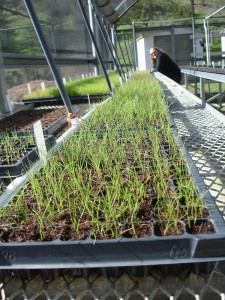
Lili Singer inside one of the greenhouses at the Theodore Payne Foundation, where she is Special Projects Coordinator. Singer also teaches regular Thursday garden classes at the Los Angeles County Arboretum and Botanic Garden. Click on the image to be taken to the Theodore Payne Foundation. Photo: Emily Green / Chance of Rain
That pillar of Southern Californian horticulture Lili Singer will be among the experts taking part in “garden chats” at the Los Angeles Garden Show in Arcadia over the next three days. Singer will be talking about the single most important choice that a homeowner makes when planting a garden: the selection of trees.
Also among the workshop presenters focussing on dry gardening will be Bob Perry, author of Landscape Plants for California Gardens. His emphasis will be on establishing a cohesive garden palette. Los Angeles County Arboretum horticulturist Jill Morganelli will lead discussion of how to care for low-water gardens and Reginald Durant of the Orange County restoration non-profit Back to Natives will be talking about back yards as habitat.
The Perry talk is tomorrow, Friday, April 30 at 1pm, Morganelli appears Sunday, May 2 at 11am, followed by Singer at 1pm and Durant at 3pm. Click here for all the presenters and timetable. For a full listing of dry gardening events across Southern California for May, click here.
Fuzzy hubs and mass extinction
Posted on | April 29, 2010 | 1 Comment
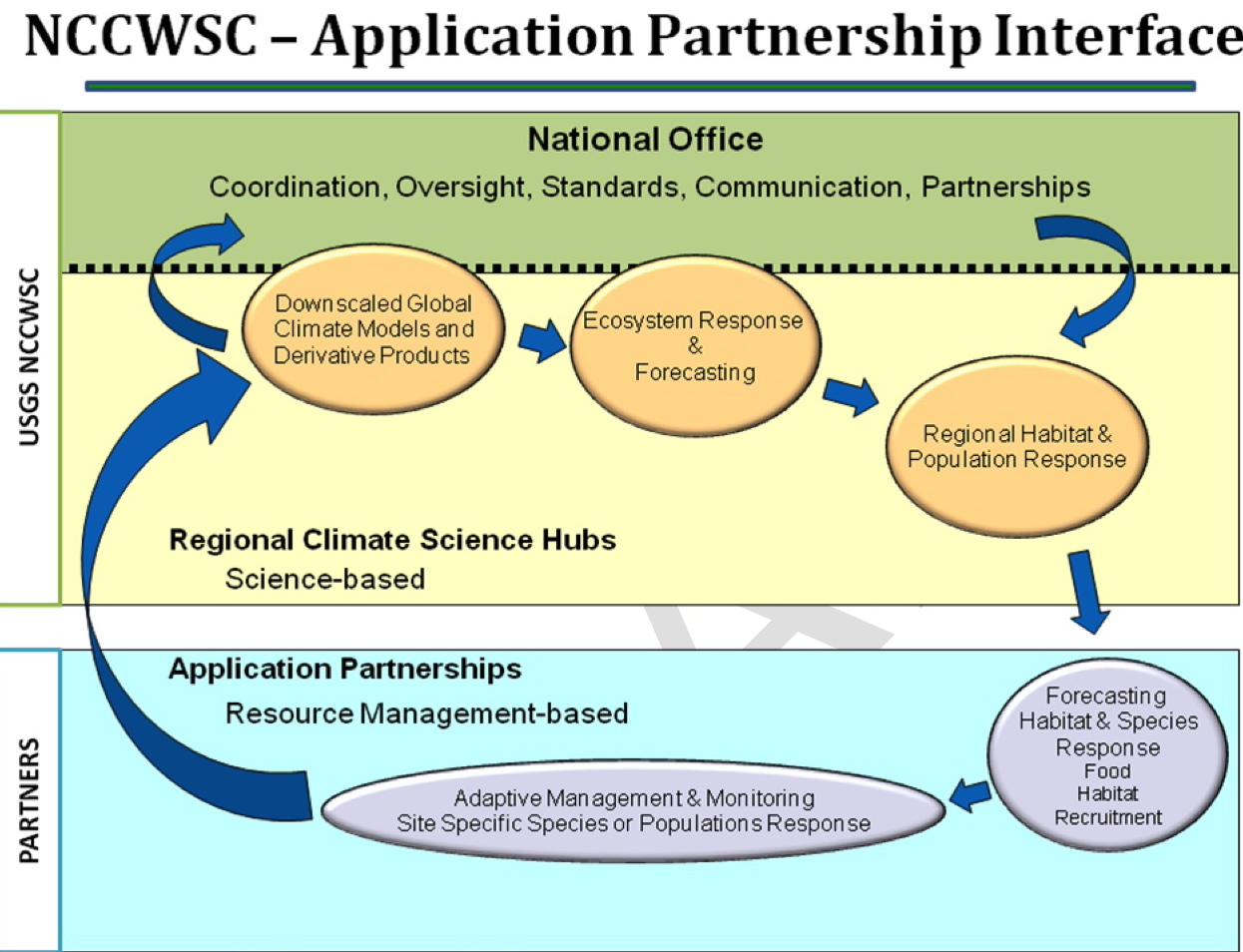 It’s easy to mock the language of the National Climate Change and Wildlife Center Proposed Five-Year Strategy, so I’m going to. Consider it a nervous laugh. This proposed framework for “fuzzy hubs” of various government agencies to cope with collapsing eco-systems and mass extinction deserves at least something that conveys how scary it is. Here is a sample of the kind of language being used by government scientists as the politicians who supposedly direct their activities argue over a climate change bill:
… climate change is already driving observable changes on the landscape, and will bring additional, large-scale changes in the coming decades. Many of these changes will have direct implications to wildlife and fish species and communities, and the habitats and ecosystems upon which they depend. For example, we are likely to see shifts in species’ ranges; changes in timing of breeding seasons and animal migrations; disassembly of current ecosystems and biological communities, and formation of new ones; increased rates of species extinction; more frequent and severe forest fires and drought; and altered expression for wildlife disease pathogens and invasive species. Long-standing assumptions about how we view and manage natural resources are being tested, and concepts such as “recovery,” “critical habitat,” and “historical species range” may become less relevant as ecosystems move in new trajectories. Indeed, climate change and its attendant impacts may represent the greatest natural resource conservation challenge in modern history.
To keep reading, click here. For news of an Environmental Protection Agency confab on water management for us bi-peds in the face of climate change, click here. For a new EPA presentation on climate change indicators, click here. For information on the May 5 meeting of the Climate Ready Water Utilities Working Group, click here, and for links to often water-themed climate change web pages, here.
Tags: chance of rain > Emily Green > US Environmental Protection Agency > US Geological Survey
North American Native Plant Societies
After the lawn

Garden blogs
