High good, low bad: Mead in October
Source: University of Nevada, Las Vegas, Digital Collections.
WHEN the Colorado River’s water was divided by treaty in the 1920s, Nevadan negotiators never imagined that Las Vegas would need more than 300,000 acre feet of water a year (compared to Arizona’s 2.8m and California’s 4.4m). The population of Clark County was roughly 2,500. Its largest city, Las Vegas, a railroad town, already had groundwater and native springs, if not the semitropical climate promised in this Chamber of Commerce brochure, date unknown.
The once ebullient springs of Las Vegas are now dry, Clark County is 90% dependent on that 300,000 acre feet of water from Lake Mead, the reservoir containing Colorado River water impounded behind Hoover Dam. The population of greater Las Vegas is roughly two million and cities such as San Diego, Phoenix and Los Angeles also vie for water from water in Lake Mead.
Meanwhile, Mead is shrinking. …
Western datebook: the Green River
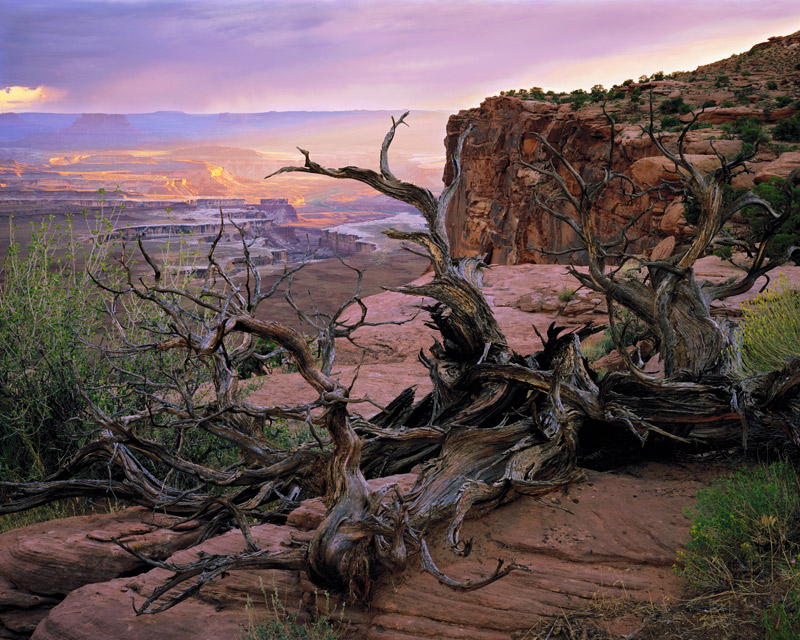
THIS PHOTOGRAPH by Robert Turner of a storm over the Green River in Canyonlands National Park, Utah, will be on display for one more week as part of the “Rare Places in a Rare Light” exhibit at the G2 Gallery in Venice, California.
Meanwhile Nancy Green’s documentary “Green River: Divided Waters” will air on Utah’s PBS station KUED, on November 9th and again November 15th.
Via the Great Basin Water Network.…
America needs ‘Los Archers’
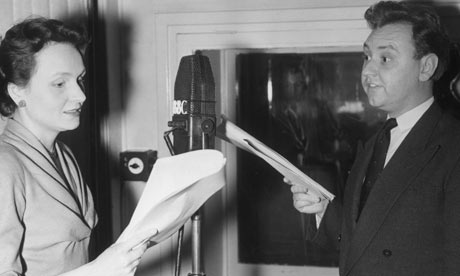
Norman Painting (left) as Phil Archer in the BBC serial "The Archers." The photograph was taken in December 1954, four years after the show's launch as a propaganda tool to improve agricultural practice after World War II. Photo: Frank Morley and Getty via The Guardian
THE NEWS today of the death of Norman Painting, 85, the actor who for almost 60 years played Phil on the British radio series “The Archers,” is as good a time as any to suggest that America steal his act. …
The Dry Garden: ‘American Meadow’
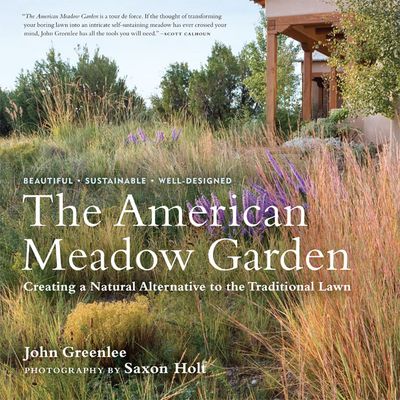
CALIFORNIA nurseryman John Greenlee has a new book, “The American Meadow Garden: Creating a Natural Alternative to the Traditional Lawn.”
Yay?
It should be yay. In 1987, he created what is now the oldest specialty grass nursery on the West Coast. Greenlee Nursery, first in Pomona and now in Chino, is where artist Robert Irwin went when landscaping the grounds of the Getty Center. During the last 22 years, as a nurseryman, garden designer and writer, Greenlee has emerged as the single most recognizable voice of the Western anti-lawn movement.
Click here to keep reading this week’s Dry Garden column in the Los Angeles Times.…
Las Vegas loses water rights to key valleys
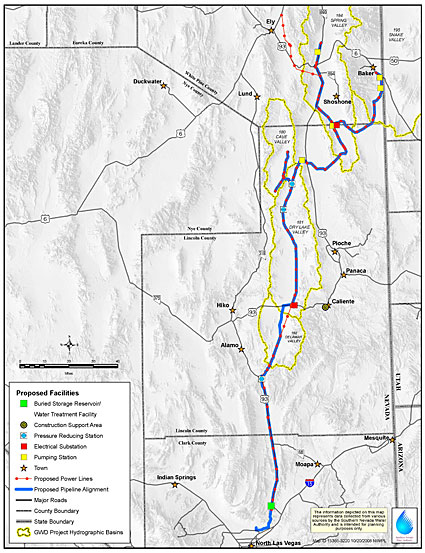
IN A phenomenal reversal for Las Vegas in its 20-year quest for water from the Great Basin Aquifer, the Southern Nevada Water Authority has been stripped of rights to 18,755 acre feet of water a year, or enough for more than 37,000 homes, which it had been allocated from three key basins.
The Las Vegas Review-Journal reports today that Nevada District judge Norman C. Robison has ruled that the State Engineer “acted arbitrarily, capriciously and oppressively” when he cleared the authority to pump more than 6 billion gallons of groundwater a year from Cave, Delamar and Dry Lake valleys.
Above and beyond the amount of water involved, this is a crippling strategic blow to the authority. Located in neighboring Lincoln County, Cave, Dry Lake and Delamar valleys are critical first sites* for the proposed well-fields that will feed what Las Vegas envisions as a nearly 300-mile-long pipeline…
« go back — keep looking »North American Native Plant Societies

After the lawn

Garden blogs
