Native plants, native water
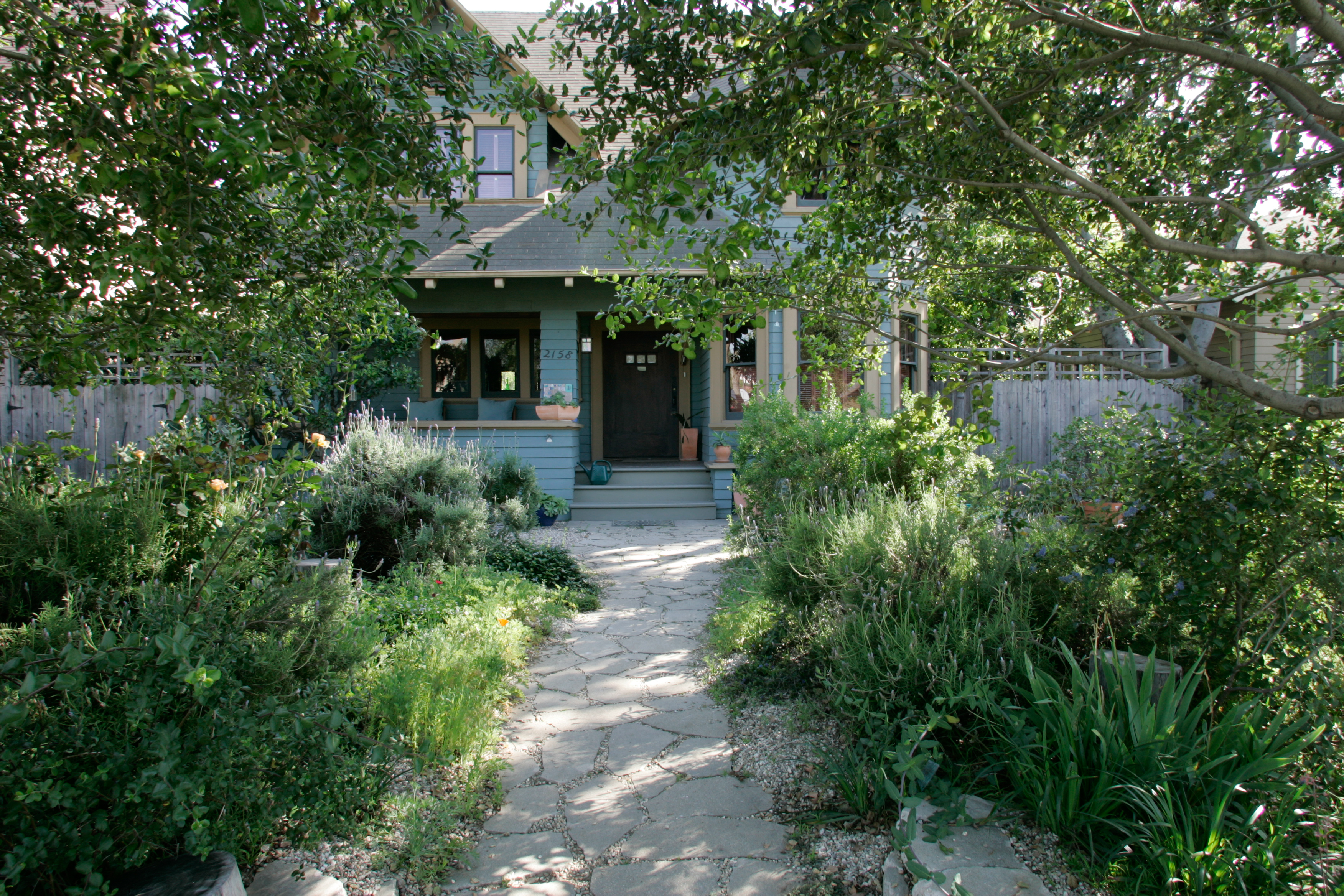
I will be presenting slide shows this coming week, tomorrow at 12noon at the California Native Plant Society’s Sale in Encino and Thursday at 9.30am as Lili Singer’s guest at the Los Angeles County Arboretum and Botanic Garden in Arcadia, about the conversion from a conventional garden (above) to a largely native one (below). The upshot was a massive increase in shade and wildlife value, elimination of storm water run-off and steep decrease in maintenance fees and water use. Judge for yourself as to beauty. For details about tomorrow’s talk, click here, for Thursday’s here. Click on photos to enlarge.…

The Dry Garden: Not cool
The most common mistake bruited about Los Angeles is that it’s in a desert. It’s not. It’s in one of five of the world’s Mediterranean climate zones, which means that it has a largely temperate but dry climate with winter rain and rainless summers. That said, last Monday, we got a taste of what really living in a desert is like. Santa Ana winds out of the high desert of the Great Basin drove temperatures to 113F in downtown Los Angeles. If your garden wasn’t stressed, you probably don’t have one. Click here for this week’s Dry Garden column in the LA Times on how to irrigate in Southern California during the October-December Santa Ana season.…
High good, low bad: Mead in September 2010
Seventy five years ago, President Franklin Delano Roosevelt dedicated Hoover Dam. The concrete is looking good. The thing showing its age is the Colorado River water impounded behind it. The elevation of Lake Mead, the storage reservoir serving California, Arizona, Nevada and the Republic of Mexico, dropped last night to 1,083.83 feet, the lowest closing elevation for September since 1937. That year, the world’s then largest reservoir was still filling. Now its over-allocated water is steadily disappearing. Elsewhere in the Bad News Department, the river serving it is unlikely to be flush this coming winter according to a new study comparing drought stress evident from tree rings and ocean currents. Rather, in Long-Term Relationships Between Ocean Variability and Water Resources in Northeastern Utah, RAND Corp researcher Abbie Tingstad and UCLA geographer Glen MacDonald suggest…
October fully loaded
Click on the ten for a full October calendar of plant sales, classes, lectures and hikes. …
The week that was, 9/19-25/2010
Dust-covered snow in the San Juan Mountains of the Upper Colorado River basin, May 2009. Source: NASA/JPL-Snow Optics Laboratory. Click on the image to be taken to the report summary.
In the semi-arid regions of the Colorado Plateau and Great Basin, winds blow desert dust east, triggering dust-on-snow events. When dark dust particles fall on snow, they reduce its ability to reflect sunlight. The snow also absorbs more of the sun’s energy. This darker snow cover melts earlier, with some water evaporating into the atmosphere. — NASA study shows desert dust cuts Colorado River flow, NASA press release, September 20, 2010
… the “first-in first-served” system of allocating water rights has not worked in areas of high demand and must be overhauled. — Reference to a New Zealand study by the Land and Water Forum of proposed water management overhauls, Tougher controls on water likely, Dominion Post, September …
« go back — keep looking »North American Native Plant Societies
After the lawn

Garden blogs
