Saints to bow to Vegas, reports flagship LDS paper
Posted on | January 7, 2010 | 2 Comments
 SALT LAKE CITY — A proposed water-sharing agreement in Snake Valley between Nevada and Utah appears destined for signature by the two states as additional revisions were aired in a Wednesday meeting of an advisory council, reports the Deseret News.
Nevada officials indicated at the Snake Valley Advisory Council meeting that they are on board with the agreement as it stands, and John Harja, chairman of the council, conveyed that Utah Gov. Gary Herbert is convinced that “an agreement is better than none, and the interests of Utah are best served by an agreement.”
To keep reading today’s report in the Deseret news, click here or here for the Salt Lake Tribune account. Via the Great Basin Network and Aquafornia, which also has an AP account of public response.
Speculation aside, there is still hope that Utah Governor Herbert won’t sign. The Great Basin Water Network was founded to oppose the pipeline that under the agreement would tap the shared aquifer of rural Nevada and Utah to send its groundwater roughly 300 miles south to Las Vegas. “The fact that the newspapers are on our side should be indicators to the governor that he’s signing away the rights of his people,” said the network’s Susan Lynn earlier today.
If the agreement remains unsigned until the Utah legislature reconvenes on January 25th, Lynn believes that chances diminish significantly that the governor will sign. If he does acquiesce to Nevada, then Lynn predicts censure from the legislature for an overwhelmingly unpopular deal.
Above is a map of the monitoring areas proposed under the UT-NV agreement. Click, then click again to get a full-sized version. To download a PDF of the final draft of the state to state agreement, click here. For the draft monitoring agreement, here and report of public comments here.
Finally, unconfirmed word on the street is that the Southern Nevada Water Authority’s general manager Pat Mulroy, the force behind the proposed pipeline, will be interviewed tomorrow night by Katie Couric on CBS News.
Happy New Year, San Diego. Use less, pay more
Posted on | January 6, 2010 | 2 Comments
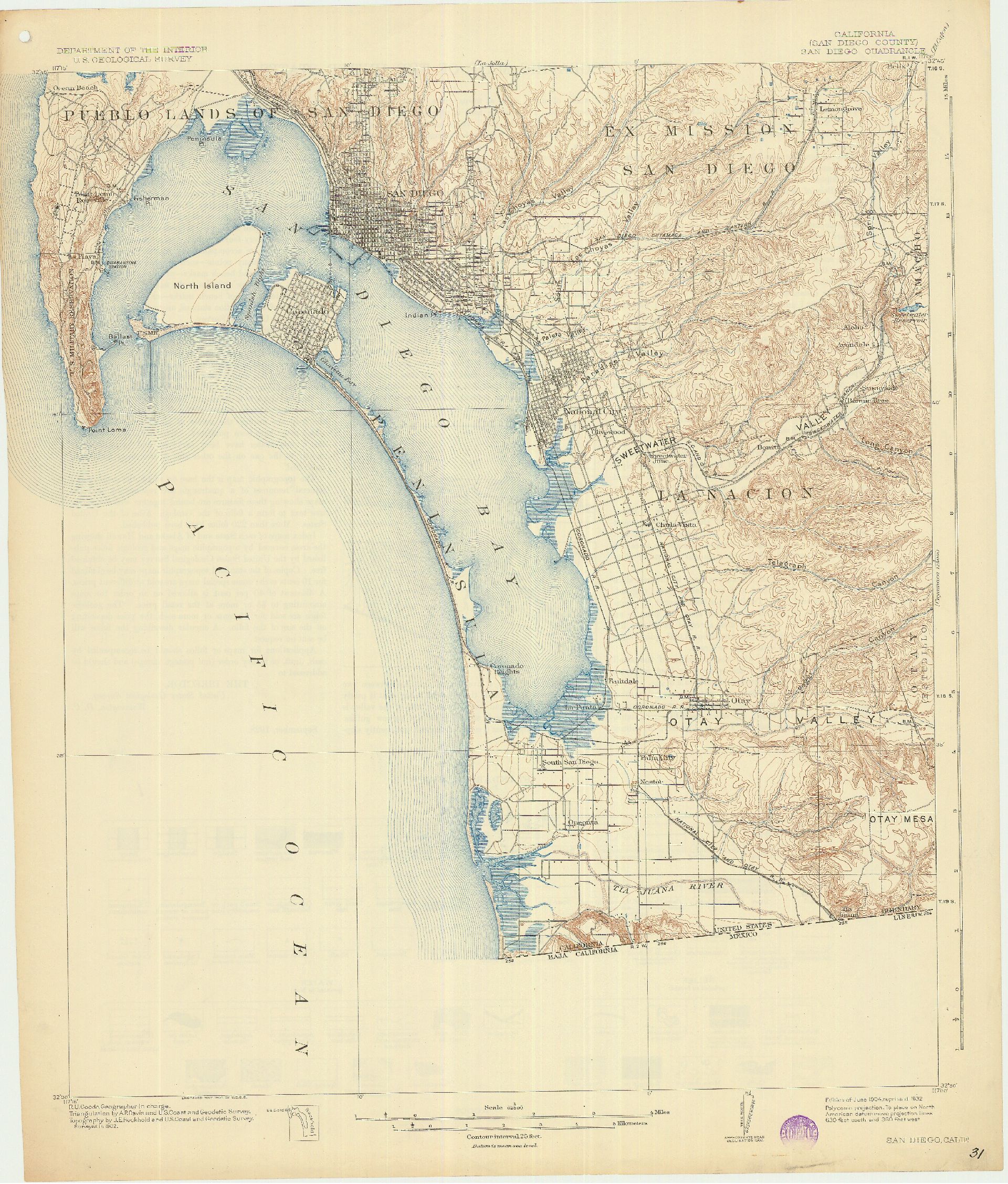 San Diego celebrated the New Year with a water rate hike. That said, may every one greet it with the same civic mindedness of Groksurf’s San Diego. As that leading Southern California water blog observes, water in San Diego is still cheap.
To that this website can only add: Few counties enjoy such a good network of conservation educators. Click here for listings of events from the San Diego chapter of the California Native Plant Society.
For a steady stream of advice and inspiration from two of the county’s distinguished garden writers, try the websites of fellow Los Angeles Times contributors Nan Sterman and Debra Lee Baldwin.
Update: Groksurf’s editor George Janczyn shot in an e-mail a day after this post appeared commending Lost in the Landscape, the website of San Diego artist Jim Soe Nyun. To this haul of contacts, another commenter (see below) says don’t forget the San Diego online conservation forum Stand for Less.
And if you haven’t heard of it, or visited it, by all means look into the Water Conservation Garden and its programs at Cuyamaca College.
For region-wide dry garden events for Southern California, click here.
This post has been updated.
The Dry Garden: Sheltering nests
Posted on | January 5, 2010 | No Comments
 Some of us are familiar with the concept of stilling the saws to allow birds to breed, but we follow an Eastern calendar. Unfortunately, that time frame doesn’t apply in Southern California. Whereas bird-nesting in the East is a spring event, it begins here in winter. Two of our most beloved local hummingbirds, Allen’s and Anna’s, started nesting in December and will be nesting throughout spring, says Kimball Garrett, collections manager for the ornithology department of the Natural History Museum of Los Angeles County. Click here to keep reading the Dry Garden column in the Los Angeles Times.
Tags: bird nesting season > chance of rain > Emily Green > Los Angeles Times
Western datebook: “There it is. Take it.”
Posted on | January 4, 2010 | No Comments

Native garden with drip

Conventional garden with lawn and sprinklers
In a December article for Chance of Rain, Southern California irrigation specialist Bob Galbreath recalled the arrival of Owens Lake water in Los Angeles from the Eastern Sierra and William Mulholland’s 1913 exhortation, “There it is. Take it!”
Take it we did — with such abandon that a century later our water supply is on the verge of exhaustion. Galbreath, who for two decades has preached abstemiousness in the form of drip irrigation over sprinklers, concluded the article by musing, “Perhaps it would help if I put out a big pile of drip tubing at my next seminar and said: ‘There it is. Take it!'”
Perhaps indeed. To see if he does, go to his talk on January 7th at the Los Angeles County Arboretum and Botanic Garden, where he is the first guest of the new year in “Thursday garden talks with Lili Singer.”
Not sure you’re interested? Then check out “gardengarden,” two demonstration gardens illustrating the difference between native vs conventional plants and drip vs sprinkler irrigation, which Galbreath did with dry designer Susanne Jett. The City of Santa Monica website has photos and a brief description, but be sure to read the complete brochure for the full plant list and detailed background of both sites. For those who wish to visit the two gardens, which are side by side and now six years old, they are at 1724 and 1718 Pearl Street, Santa Monica, 90405. Park elsewhere and take the bus. Still not convinced? Then by all means examine the project’s cost comparisons below. Then go hear Galbreath Thursday night. Because there it is. Take it.
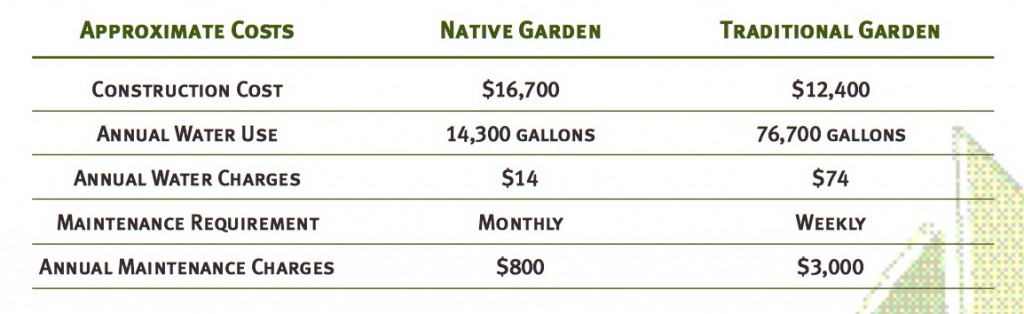
A note on these numbers: The construction cost of a sod-based conventional garden is demonstrably cheaper in the above table. But this is a one time cost. Where the sting comes is in the on-going costs of maintenance. Here lawn takes and keeps on taking to the point that in 10 years, it would have cost $30,000, while the native one would have cost $8,000. The table also tells us that the cost of water has traditionally not been an effective incentive to conserve.
Tags: Bob Galbreath > chance of rain > Emily Green > garden\garden > Western Datebook
Image of the day: ‘Borderlands’
Posted on | January 4, 2010 | 1 Comment
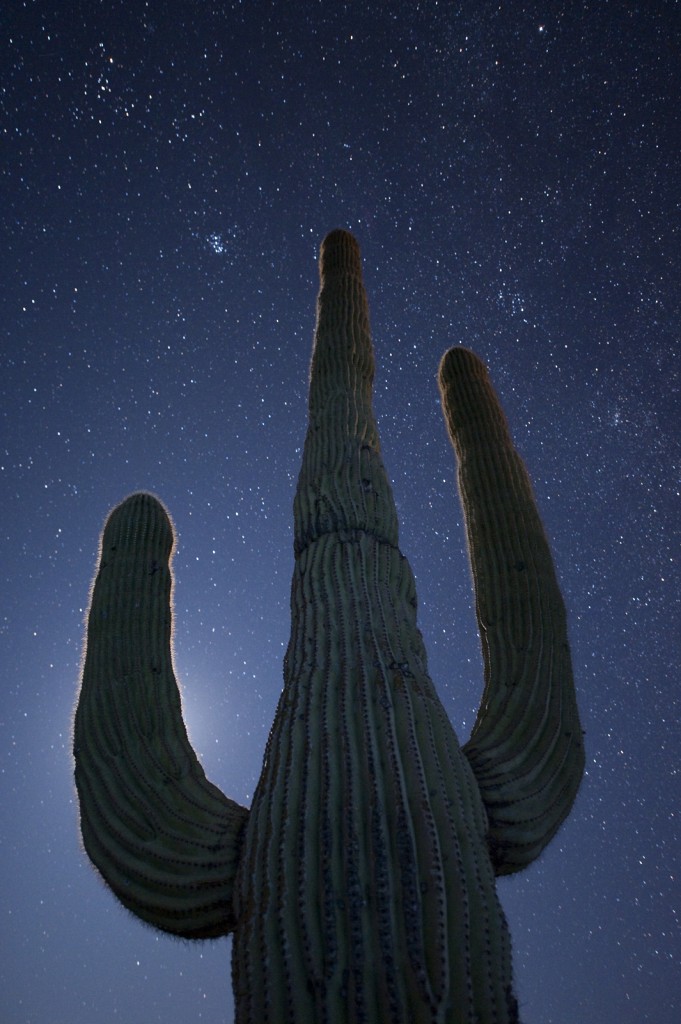
Chris Linder’s photograph of a sagauro cactus, icon of the Sonoran desert, is part of the 13-person show “Borderlands,” which opens tomorrow at the G2 Gallery in Venice, California.
Sponsored by the International League of Conservation Photographers, the exhibit documents life along the fence dividing Mexico and the United States.
“Borderlands” runs until February 7, 2010. Click on the image to be taken to the gallery.
« go back — keep looking »North American Native Plant Societies

After the lawn

Garden blogs
