The week that was, 12/20-26/2009
Posted on | December 27, 2009 | No Comments
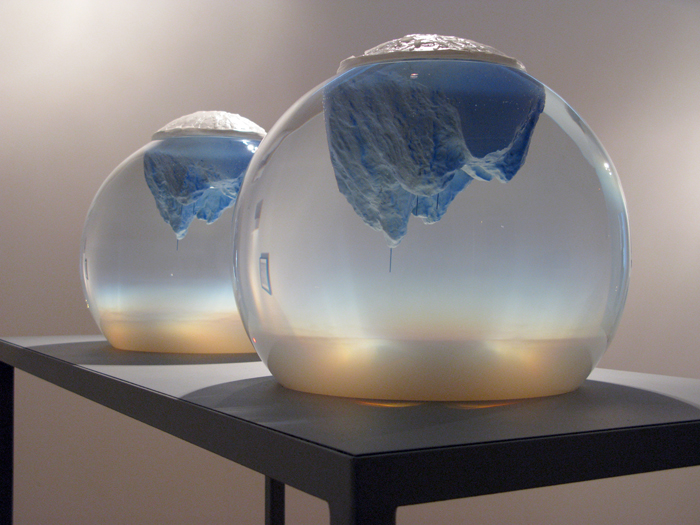
Mariele Neudecker, '400 Thousand Generations,' 2009, from "Earth: Art of a Changing World," Royal Academy at Burlington Gardens, London, through January 31, 2010. Click on the image to be taken to the gallery website.
China played an important constructive role in promoting the attained achievements at the conference and demonstrated the greatest sincerity and the greatest efforts. — State Premier Wen Jiabao interviewed by the Xinhua news agency, BBC Monitoring Asia Pacific, December 22, 2009, via Proquest
Copenhagen was a disaster. That much is agreed. But the truth about what actually happened is in danger of being lost amid the spin and inevitable mutual recriminations. The truth is this: China wrecked the talks, intentionally humiliated Barack Obama, and insisted on an awful “deal” so western leaders would walk away carrying the blame. How do I know this? Because I was in the room and saw it happen. — Mark Lynas, The Guardian, December 22, 2009
Two weeks ago thousands descended on Copenhagen to save the world. The result is 12 paragraphs of good intentions … The Romans had a phrase for it: Parturient montes nascetur ridiculus mus (The mountains have been in labor, and a little mouse has been born.) — Letter to the South African Cape Times from Professor Philip Lloyd, Energy Institute, Cape Peninsula University of Technology, December 22, 2009
Click here to keep reading The week that was
Spanish trickledown
Posted on | December 22, 2009 | 4 Comments
 By Bob Galbreath
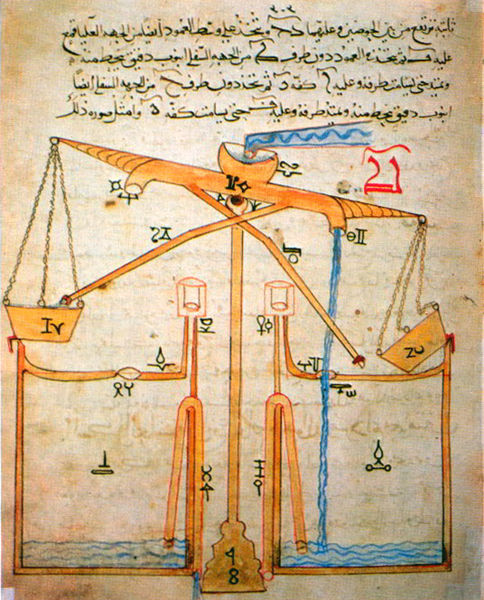
My wife and I travel a lot. Some years back, when she was practicing law, she always wanted to include a visit to the local courthouse to get a feel of how the craft is practiced in other countries. Likewise, as I became more involved in the water business, I started dragging her to the local waterworks (if you’ve never been to the Water Company Palace in Buenos Aires, you must go) and making excursions off the path in parks and gardens to inspect the irrigation system.
We recently returned from an extended trip to Spain and, despite frequent forays into the shrubbery, it was not until the sixth week of our trip that I saw my first sprinkler. Virtually all of the irrigation in parks and gardens, public and private, was drip.
As those of you who work in Southern California irrigation may know, I have spent the last thirty-plus years promoting watering by drip systems in the southwest US. Only in the last five years has anyone looked up from fiddling with their sprinklers to pay much attention. So why has the attitude in Spain, a country with a drought-struck mediterranean climate like ours, apparently been the opposite?
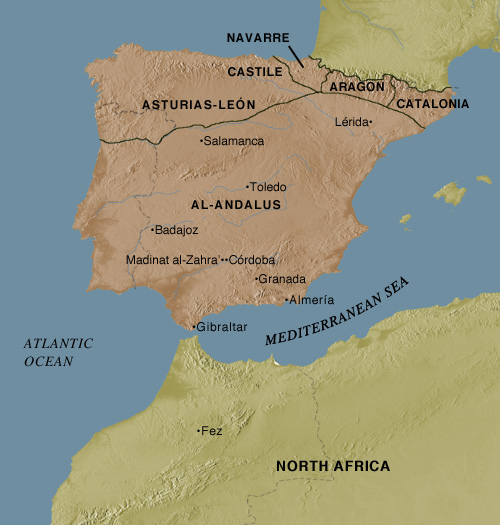 Here’s my surmise: The Moslem name for the Andalusian region of Spain is al-Andalus. This was the westernmost extension of the Islamic empire from about 700 to 1400 AD. The influence of this heritage is still quite prominent. While much of Spain and southern France are still liberally dotted with palaces, castles and other ancient constructions, at least half of those to be seen in Spain are of Moslem origin. Indeed two of the primary architectural treasures of Andalusia are the alcazar (or palace) in Seville and the Great Mosque of Cordoba. I found hints to the answer of the drip irrigation puzzle in both these places.
Click here to keep reading
Image of the (shortest) day
Posted on | December 21, 2009 | No Comments
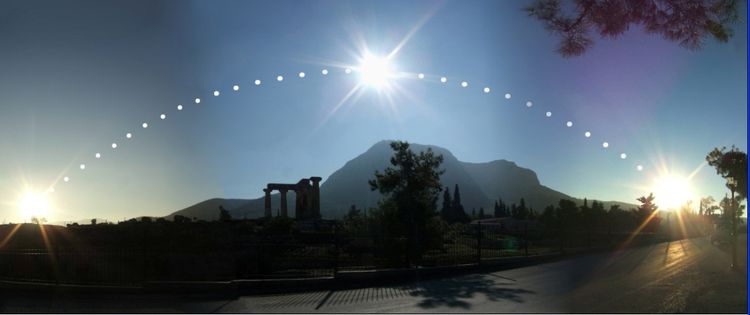 With winter solstice today, Southern California’s growing season begins. Following this the shortest day of the year, every additional minute of light and therefore warmth will begin stimulating plants. Watch for dandelions as first responders. For background on this 2007 image, which in a series of time-lapse photographs traced the mid-winter arc of the sun over the temple of Apollo, click here.
Or click here for the Earth Observatory’s image of the day for the 2009 winter solstice: the Eastern US seaboard blanketed by snow.
Which is dirty: The water or the study?
Posted on | December 20, 2009 | 2 Comments
 One of the recurrent themes in today’s round-up of the news highlights of the week carries troubling contradictions. Two reporters who do exemplary jobs covering their local water beats, Staci Matlock of the Santa Fe New Mexican and Janet Zimmerman of the Riverside Press-Enterprise, quote local water managers saying that their water quality tests do not jibe with the ratings reported on December 12th by the Environmental Working Group, which were then later widely broadcast by the news media.
In the case of Riverside, the water authority contends that the group ranked the city based on tests of untreated groundwater. Santa Fe is still investigating what its water department sees as a discrepancy. Once shot out of a cannon into the press, even subjects as important as municipal water quality rarely get the follow-up that they deserve. This post-script to The week that was, 12/13-19/2009 is to urge newspapers that reported the Environmental Working Group assessment unquestioningly, or that just as uncritically accept their water authority’s figures, to cross-check the data behind their local rankings. Then, whether the news is good or bad, proceed to make sure that the water quality information reported for your city is accurate.
In the case of Santa Fe and Riverside, all we know now is that it’s clear as mud.
UPDATE: On December 20th, the Los Angeles Daily News joined the Riverside Press-Enterprise and Santa Fe New Mexican carrying utility responses questioning the accuracy of the Working Group’s results. Here is the link to that story, along with the response of the Los Angeles Department of Water and Power. An earlier report from December 12th in the Los Angeles Times also carries responses from Riverside utilities saying that the water sampled by the Working Group was “raw,” meaning untreated.
This post has been updated. The headline was edited the day of publication and additional links were added on 12/27/2009
Tags: chance of rain > Emily Green > head > The week that was > Water Quality
The week that was, 12/13-19/2009
Posted on | December 20, 2009 | No Comments
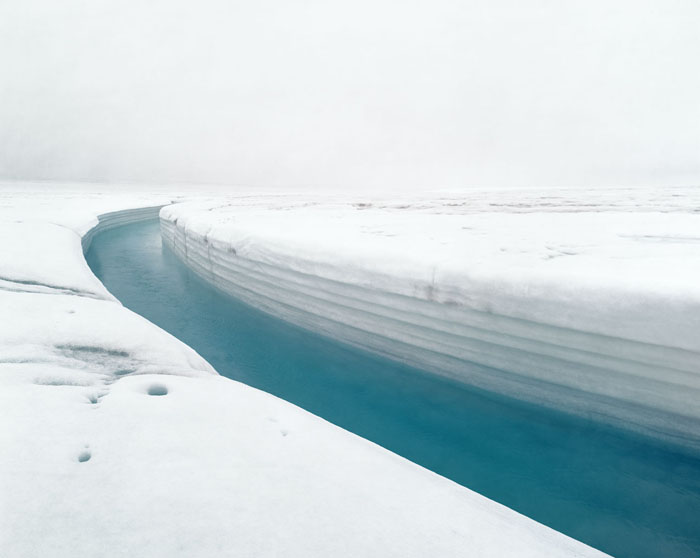
"River 2, Position 4," July 2008. Photo: Olaf Otto Becker from "Above Zero" at the Amador Gallery in New York through January 9, 2010. Click on the image to be taken to the gallery website and other images of the summer rivers of Greenland.
These pictures are … about the rivers of meltwater that form on the surface of the glaciers in Greenland during the summer. In the summer heat, the ice melts, and the little rivulets flow into bigger and bigger streams until eventually they become rivers. The water is a deep aquamarine. It wends its way through a landscape of white ice with blue tints, and of small black holes formed by atmospheric soot. The sky is crowded with low-hanging white clouds and only occasional breaks of blue or gray. There are no trees or telephone poles or anything, really, to give a sense of scale. How wide is the stream in River 2, Position 4? There is no way of knowing. Whether narrow or wide, it flows serenely around a bend, a fairy river in a fairytale land. — Portraits in dignity, the Wall Street Journal, December 19, 2009
Click here to keep reading The week that was
« go back — keep looking »North American Native Plant Societies

After the lawn

Garden blogs
