Western datebook: Weed maps
Posted on | November 9, 2009 | 1 Comment
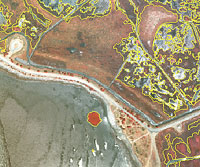
The Invasive Spartina Project uses aerial photography and GPS to monitor cordgrass in the San Francisco Bay. Source: California Invasive Plant Council. Click on the map to be taken to the project's home page.
CORRECTION: IN EARLY versions of this post, the dates for the event below were incorrectly given for November. The event is in December.
Wednesday December 9 and Thursday December 10, the California Invasive Plant Council will be giving courses at the Audubon Center at Debs Park in Los Angeles on invasive plant control and mapping methods.
For information, click here.
For information about PlantRight, a campaign to convince nurseries to remove invasive plants from their shelves, click here.
The week that was, 11/1-7/2009
Posted on | November 7, 2009 | 2 Comments
Passing an entire package of water bills takes a herculean effort, and, in this case, the load was carried to a remarkable extent by just a few legislators who led this effort. Assemblyman Mike Feuer and Senators Fran Pavley and Joe Simitian were authors of bills that evolved dramatically after endless committee hearings and were swept into this final package. They’ve been working on these bills for two years or more. But the heaviest lifting in the legislature was done by Senate President pro Tempore Darrell Steinberg and Assemblyman Jared Huffman. — Barry Nelson, “On leadership and the water package,” NRDC Switchboard, November 6, 2009
Click here for more of The week that was
The Dry Garden: How green is your green bin?
Posted on | November 4, 2009 | No Comments
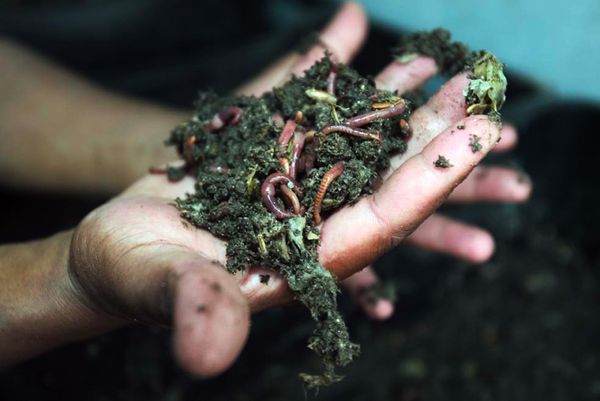
Jorge Santiesteban estimates that food scraps constitute roughly 15% to 25% of what goes into black garbage bins in Los Angeles. The city’s solid resources manager has been struck by the seasonal changes in how much food we throw away since 1997, when, in the week after Thanksgiving, he had a garbage truck empty its contents for him. Santiesteban picked through the trash, putting like objects with like until a clear picture emerged. This is what is known in recycling circles as “waste characterization.”
As bad as it must have been for Santiesteban during that November audit of rotting giblets and pie crusts, his San Francisco counterpart might have had it worse. Waste characterizations done there show that as much as 30% of San Francisco’s garbage has been composed of food scraps.
Now the race is on to see which of the two cities can divert more kitchen waste from garbage trucks to composting programs. With the introduction of mandatory food-scrap recycling in San Francisco on Oct. 21, the Bay Area has taken the lead.
To keep reading on the race for zero waste between LA and San Francisco in the Los Angeles Times, click here.
Breaking news 11/05/2009: Jared Blumenfeld, Director of San Francisco’s Department of Environment, who is interviewed in this story as leading San Francisco’s food composting program, was just named Director of Region 9 of the US Environmental Protection Agency. Click here for the announcement.
Sacramento all-nighter produces an $11.1bn package of water bills
Posted on | November 4, 2009 | 2 Comments
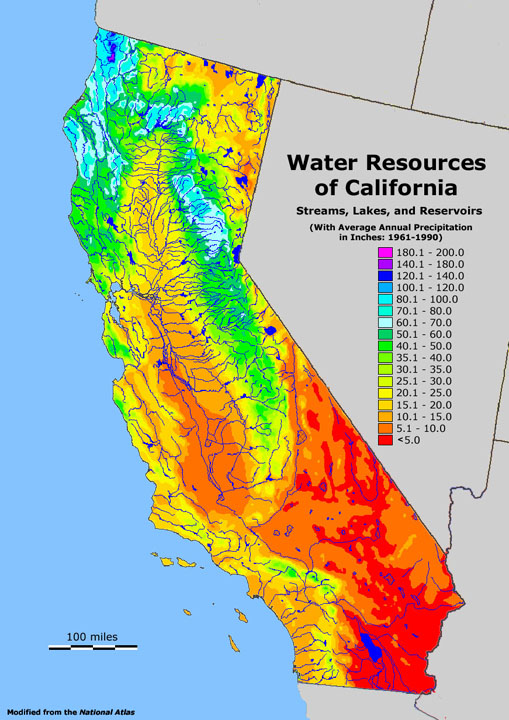 The California Legislature passed a wide-ranging water package that includes an $11-billion bond as dawn broke over the Capitol today, reports the Los Angeles Times.
In and Out:
In: 20% voluntary conservation by 2020 by urban areas not farms.
In: a bond measure that started at $12bn, dropped to $9bn then rose again to $11.1bn.
In: $3bn worth of dams demanded by the governor under threat of veto.
In: $2.25bn for Delta restoration and a board to oversee the Delta appointed by the governor and legislature. This would have the power to approve a peripheral canal to channel water around the Delta.
Out: Groundwater monitoring for privately owned properties. The stick, reports the LA Times “is a loss of water funding. Counties and agencies in groundwater basins that didn’t monitor could not receive state water grants or loans.”
Out: Increased penalties and increased enforcement to control illegal water diversion.
The bond needed to pay for these measures will be put before voters next November. From the Sacramento Bee, a further breakdown of the proposed spending: $1.785bn watershed protection; $1.4bn regional water supply projects; $1.25bn water recycling and conservation; $1bn groundwater clean-up and water quality; $455m local drought relief projects.
For the San Francisco Chronicle report, click here.
To hear Los Angeles Department of Water & Power general manager S. David Freeman and others discuss the new bill on Larry Mantle’s AirTalk on KPCC, click here.
For a thoughtful November 5, 2009 editorial on the deal, go to the Los Angeles Times.
For a backslapathon from all involved agreeing only 24 hours after the vote that their achievement is already “historic,” go to Aquafornia. It’s a giddy day among the pols, so take your nitrous oxide.
Or turn to Peter Gleick, president of the Pacific Institute in the New York Times. “I doubt anyone is truly happy with the major water package that includes complex policy changes and an $11.14 billion bond request that will be put to voters. I’m certainly not.” To keep reading, click here.
Gleick returns to the topic in a deeper fashion in his normal San Francisco Chronicle “City Brights” column. He writes: The worst thing about the bill was the process. Too few powerful interests had too much power to determine the content. Anyone who thinks the days of smoke-filled, back-room deals are over is wrong (except, perhaps, about the smoke). Too many other people, communities, and organizations were left out of the process. And while many of us were pressured to support, or oppose, the bills by various friends and colleagues, it became impossible to even understand what bill we were being asked to support, as day by day, hour by hour, good pieces were cut out or weakened and bad things inserted. Even at the very last minute, the bill was significantly watered down in desperate deals cut by a few special interests. This is bad, bad process. The biggest problems with California water have still not been addressed or fixed in these bills and the most productive question is, how can we move forward from here?” To keep reading, click here.
This post has been updated. Last update 11/06/2009 9.28pm.
Tags: California State Legislature > chance of rain > Sacramento-San Joaquin River Delta
Westlands
Posted on | November 2, 2009 | No Comments
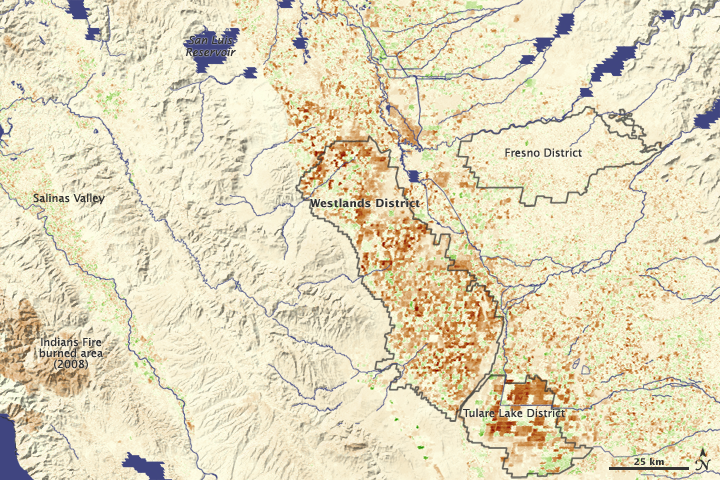
AS STAGE armies work Sacramento for their pieces of a proposed $9 plus billion water bill and bond, attorney Lloyd G. Carter would have us wipe some tears from our eyes about the plight of Westlands Water District.
Carter, a former UPI and Fresno Bee reporter, now a deputy in the California Attorney General’s office, has a new article on the subject in the Golden Gate University Environmental Law Journal.
He writes of Westlands in Reaping Riches from a Wretched Region: “federal irrigation and farm-subsidy policy in the San Luis Unit since the 1960s has exacerbated grinding poverty while enriching a few dozen of the factory farming dynasties to the detriment of the environment, the human population of the region, small growers, and the public fisc. There are few farms under 500 acres. Rule is by the rich. Indeed, in Westlands, which is a public agency, the growers with the most land have the most votes in electing directors to the district‘s board. The late Justice William O. Douglas called this voting control by the big growers a ―corporate political kingdom undreamed of by those who wrote our Constitution.”
Carter concludes, “Now, even with new legislation that will determine the future viability of Westlands’ critical irrigation import infrastructure, it seems inevitable that the political clout of the nation‘s most powerful irrigation district will somehow prevail to perpetuate this culture of social, economic, and natural inequity.”
Thanks to Oregon State University professor Michael Campana, publisher of WaterWired, for directing readers to Carter’s new article. For a lecture by Carter at Oregon State University posted by WaterWired, click here.
UPDATE 11/05/2009: Westlands is happy with the $11.1 billion package of water deals passed by the California State Legislature yesterday. To see how happy, click here.
This post has been updated.
« go back — keep looking »North American Native Plant Societies

After the lawn

Garden blogs
