May fully loaded
Posted on | April 28, 2010 | No Comments
Click here for newly compiled May listings of Southern Californian plant sales, garden tours, lectures, hikes, restoration projects and shows. If you have an event that you would like included, please e-mail the details and links to emily.green [@] mac.com.
Santa Barbara’s asphalt volcanoes
Posted on | April 27, 2010 | No Comments
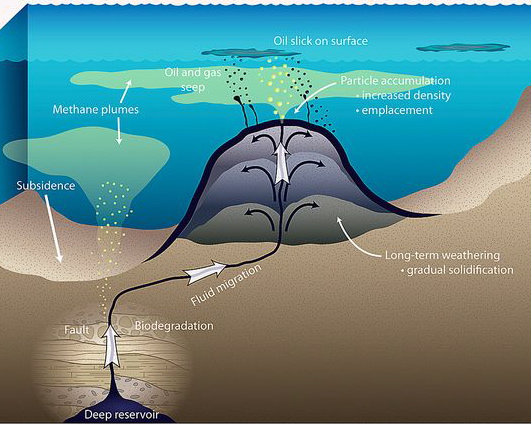 From National Geographic News: Strange undersea domes spotted off the California coast are extinct “asphalt volcanoes” made from a mixture of hardened crude oil and marine fossils … But there’s little point in harvesting the asphalt mounds for fuel. “The quality of the material is very poor. … It’s not worth something like light sweet crude,” said lead study author David Valentine, an earth scientist at the University of California, Santa Barbara. Click here to keep reading. Via Aquafornia.
Changing the equation
Posted on | April 26, 2010 | No Comments
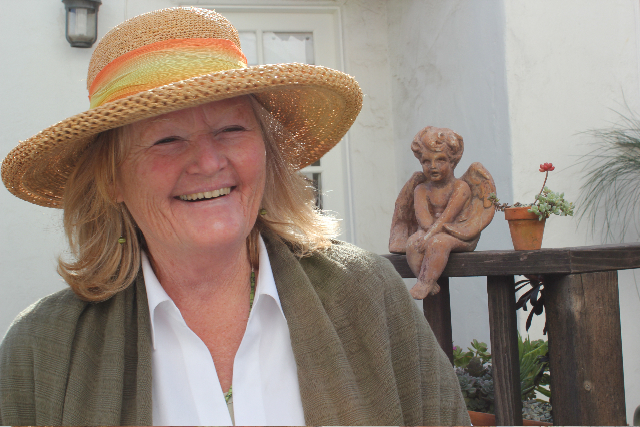
Los Angeles garden designer Marilee Kuhlmann was one of eighty homeowners who opened their gardens last weekend for the Mar Vista Green Garden Showcase. Photo: Emily Green / Chance of Rain
In so many conventional gardens with lawn and hedges, the equation is:
Water = sprinkler run-off and plant growth = Pacific pollution and mowing and pruning = noise and air pollution = green waste = more noise and air pollution.
Most of us know how destructive it is but have little idea how to change. Last week, the Mar Vista Green Garden Showcase in Los Angeles set out to show the way. In what felt less like a garden tour and more like a happening, eighty West Los Angeles homeowners who have taken out turf to create gardens that trap rainwater, produce food and have well-adapted flora opened their homes to the public. Here, the new equation is:
Water = growth = fruit / vegetables / shade followed by dormancy = stasis / leaf fall = soil replenishment / habitat = new growing medium.
Organizers say that people began arriving at noon, even though the tour didn’t begin until 2pm. Click here for photos from the tour.
The week that was, 4/18-24/2010
Posted on | April 25, 2010 | 2 Comments
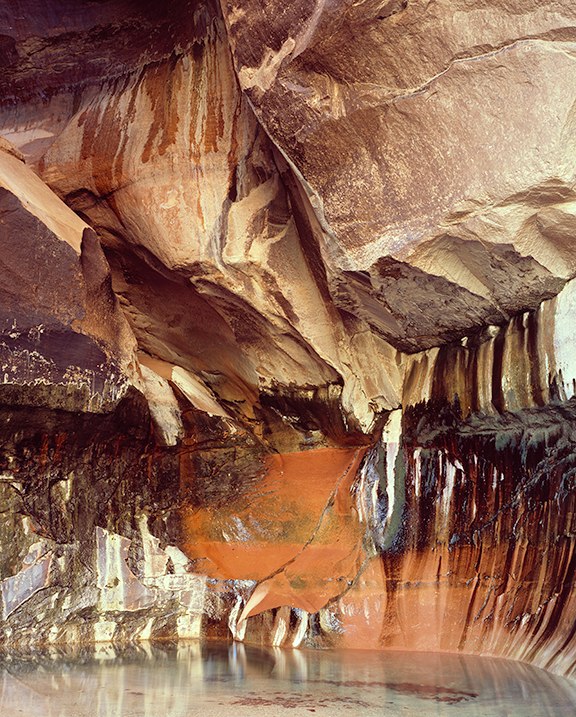
Alcove, Zion National Park. Photo: Ed Firmage, Jr, the park's photographer in residence. Click on the image for Firmage's website and online presentation "Western Water: The Coming Crisis."
“It was boring! Boring, how could it be anything else? You can’t see out from the bottom of a canyon.” — Federal Bureau of Reclamation Floyd Dominy recounting his raft trip down the Colorado with Sierra Club president David Brower, “Floyd Dominy, the colossus of dams, dies at 100,” High Country News, April 23, 2010
It is simply a matter of time before Lake Powell becomes the world’s largest mud catchment, rendering the 710-foot-tall dam useless. — “Colorado River water policy faces an age of limits,” Salt Lake Tribune, April 20, 2010
Drought, in other words, takes on something of the character of the society it keeps. If that society lives on the edge, then drought shows up as the grim reaper. — Commentary by Ed Firmage, Jr, photographer in residence at Zion National Park, “Will we be ready when drought comes to stay?” Salt Lake Tribune, April 23, 2010
Floyd Dominy, 1909-2010
Posted on | April 23, 2010 | No Comments
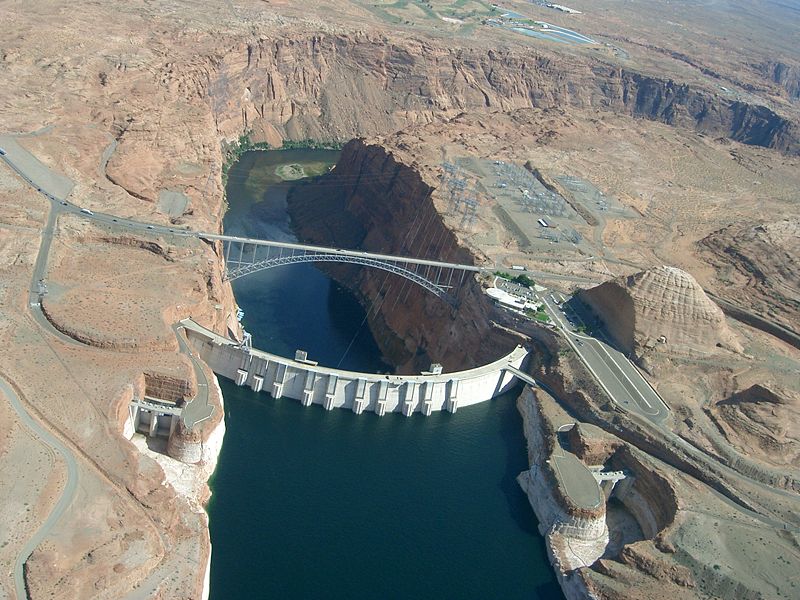
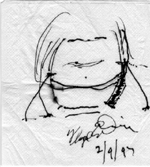
Click on the photo of Glen Canyon Dam to enlarge the image, or click on the Dominy napkin sketch of the same thing for a beautiful account of a 1997 dinner at the former Reclamation commissioner's home by Glen Canyon Institute president Richard Ingebretsen. "We met at his house in the afternoon. On his several acre property were over one dozen dams; he is a beaver to be sure," Ingebretsen wrote.
“Floyd Dominy, who made it his mission to improve nature by, among other things, damming the Colorado River at Glen Canyon and creating the more user-friendly Lake Powell, has died at the age of 100,” reports the High Country News.
“Some had hoped that Glen Canyon Dam would go first … ” To keep reading click here.

Click on the birthday invitation for a remembrance of Dominy by the US Bureau of Reclamation.
Tags: chance of rain > Emily Green > Floyd Dominy > Glen Canyon Dam
North American Native Plant Societies
After the lawn

Garden blogs
